

Bio-Polymer Carrier, Mailer & Waste Bags
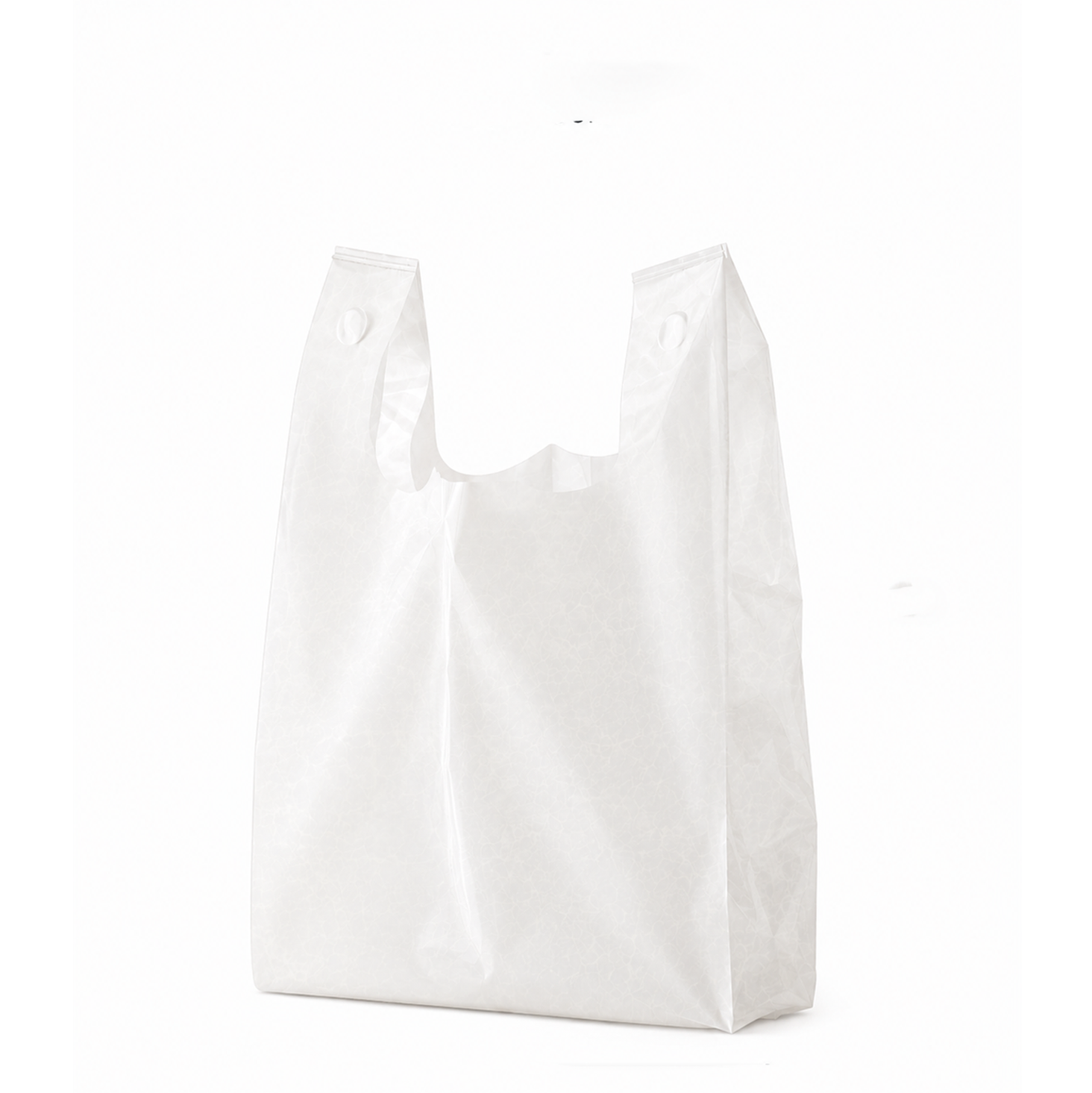
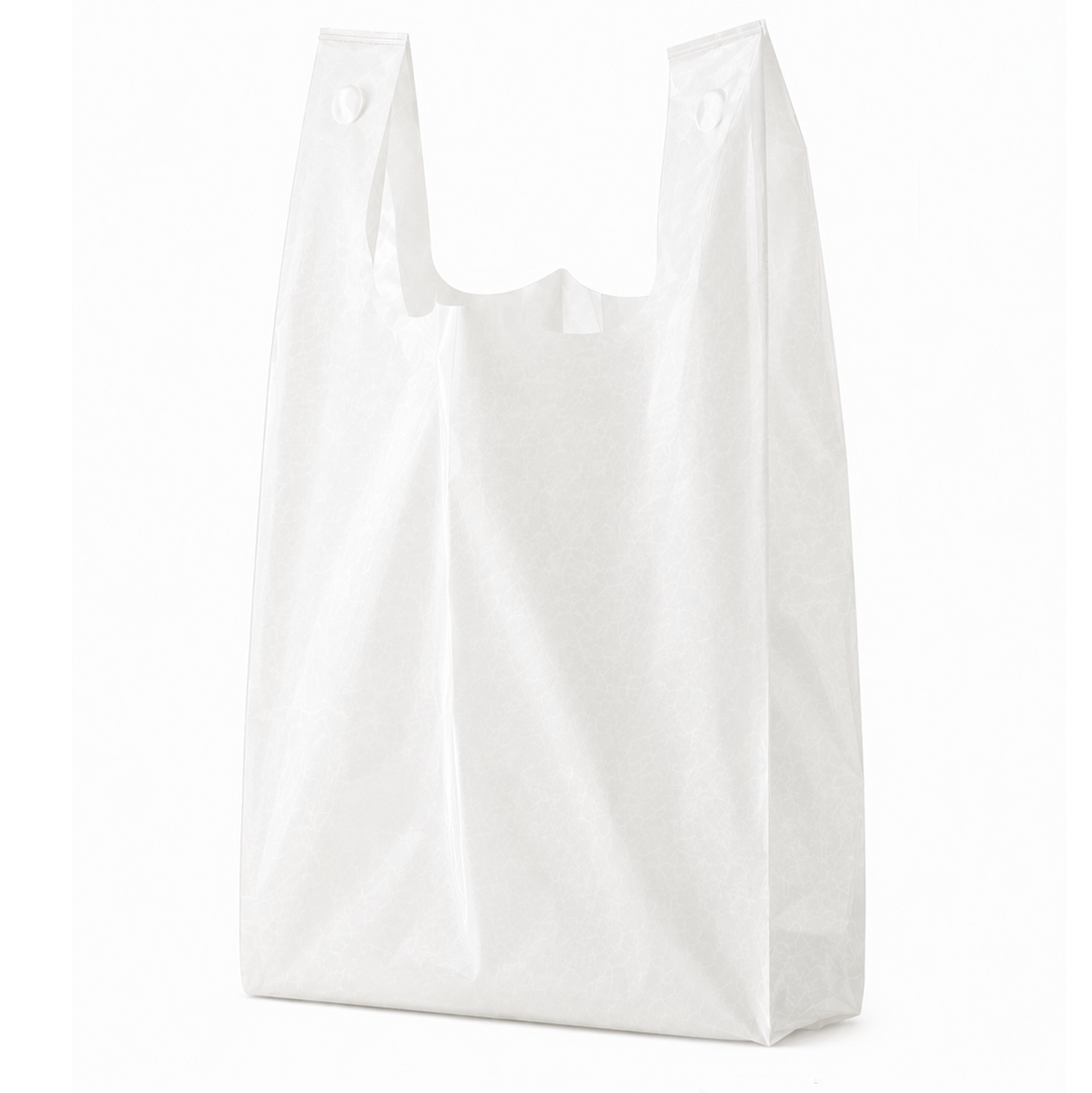
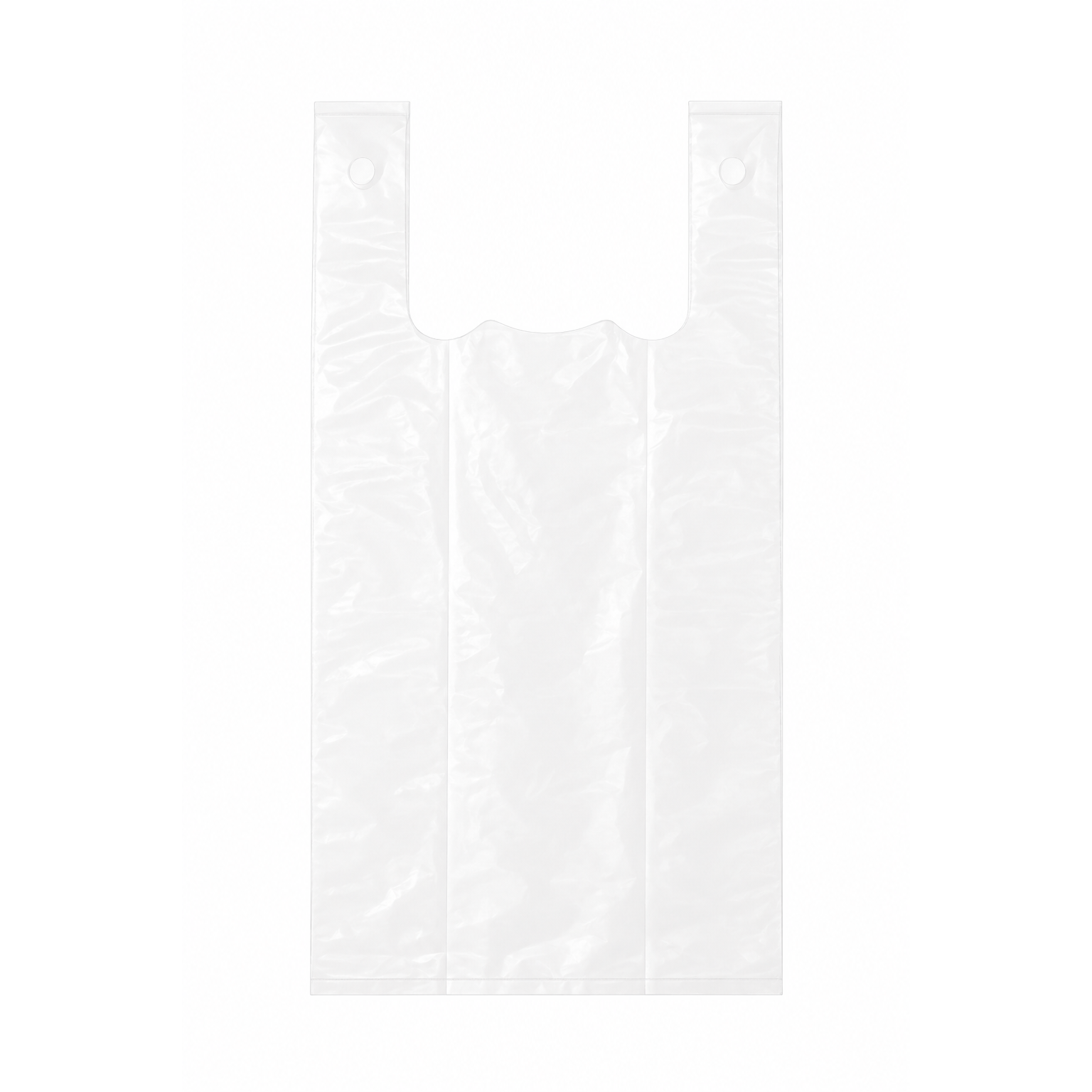
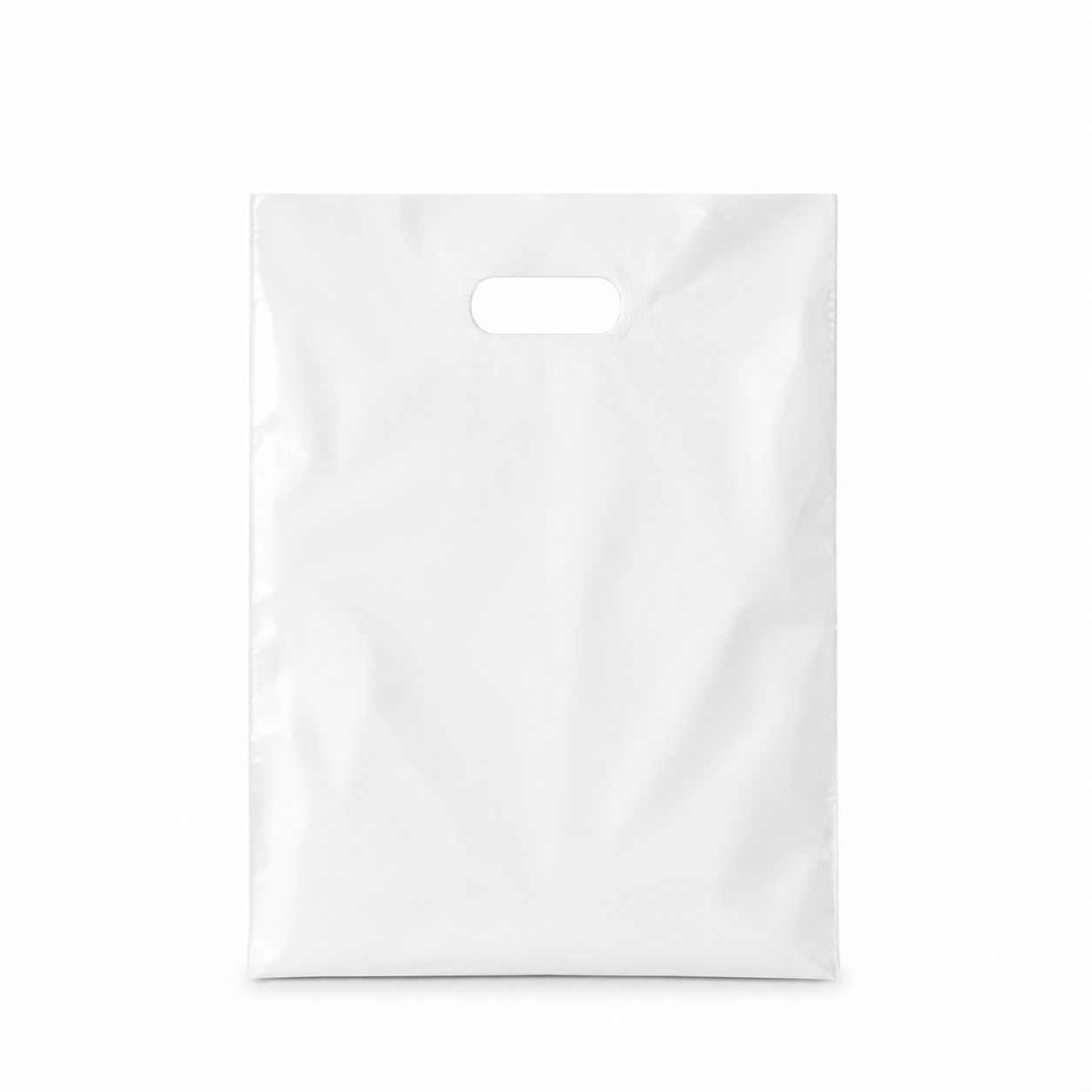
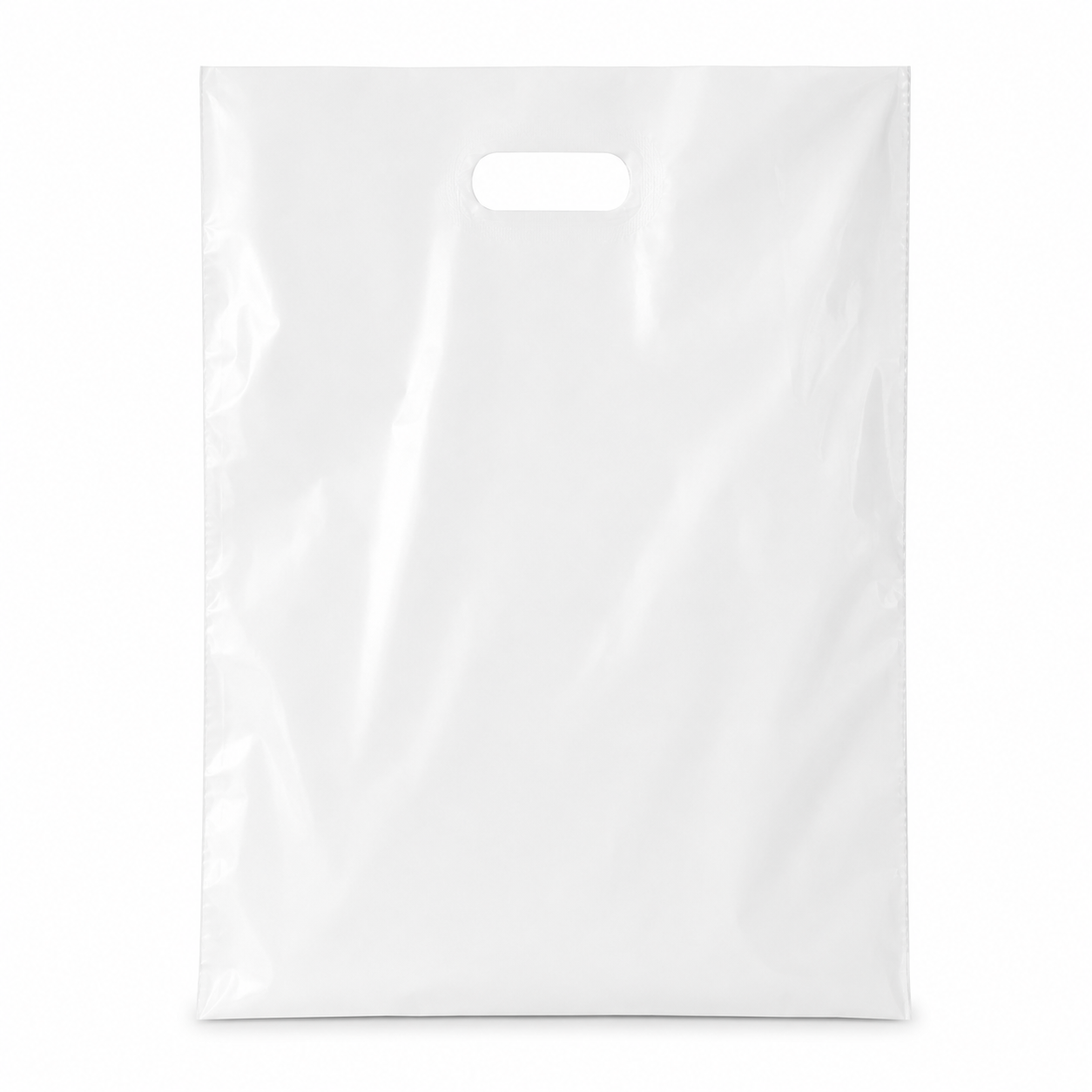
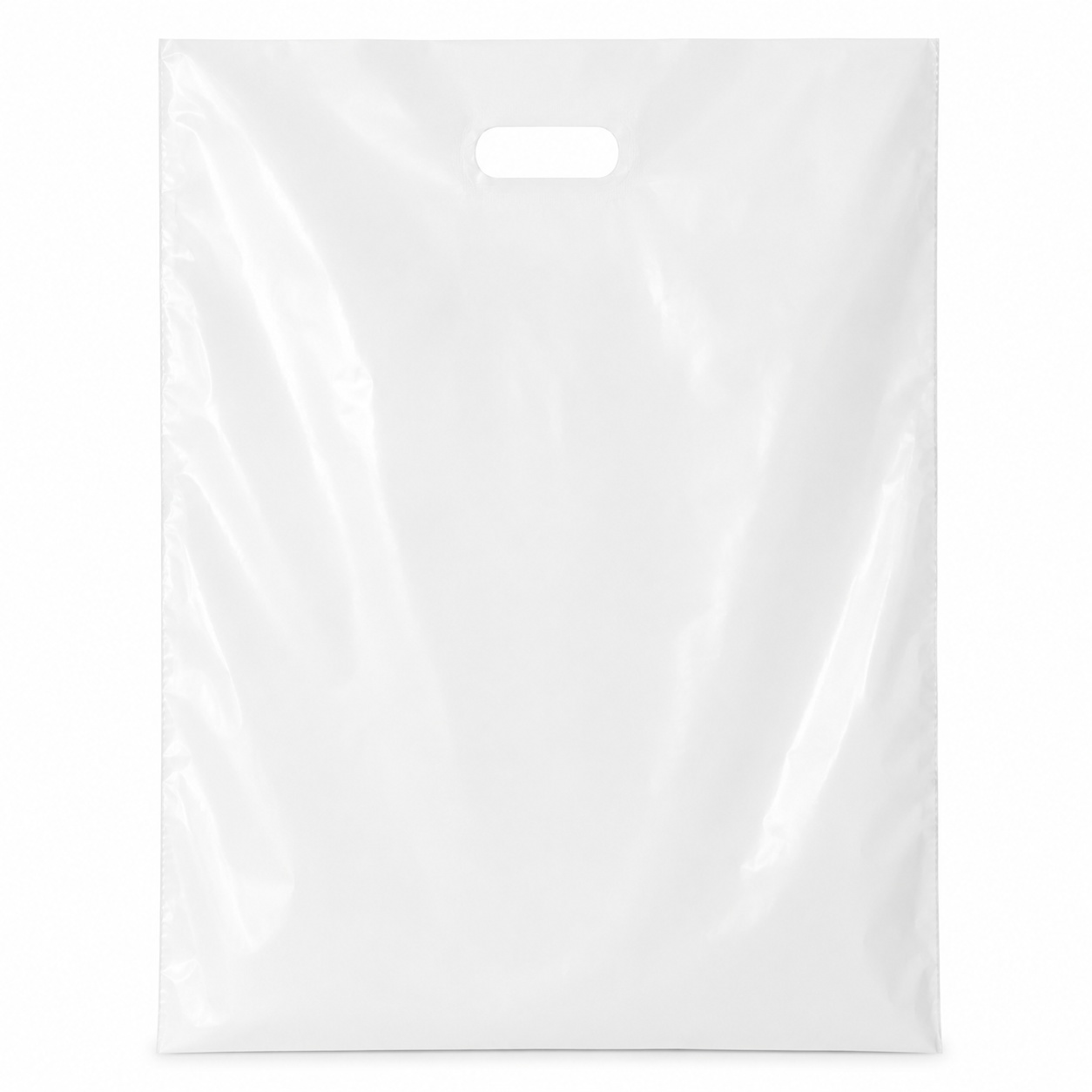
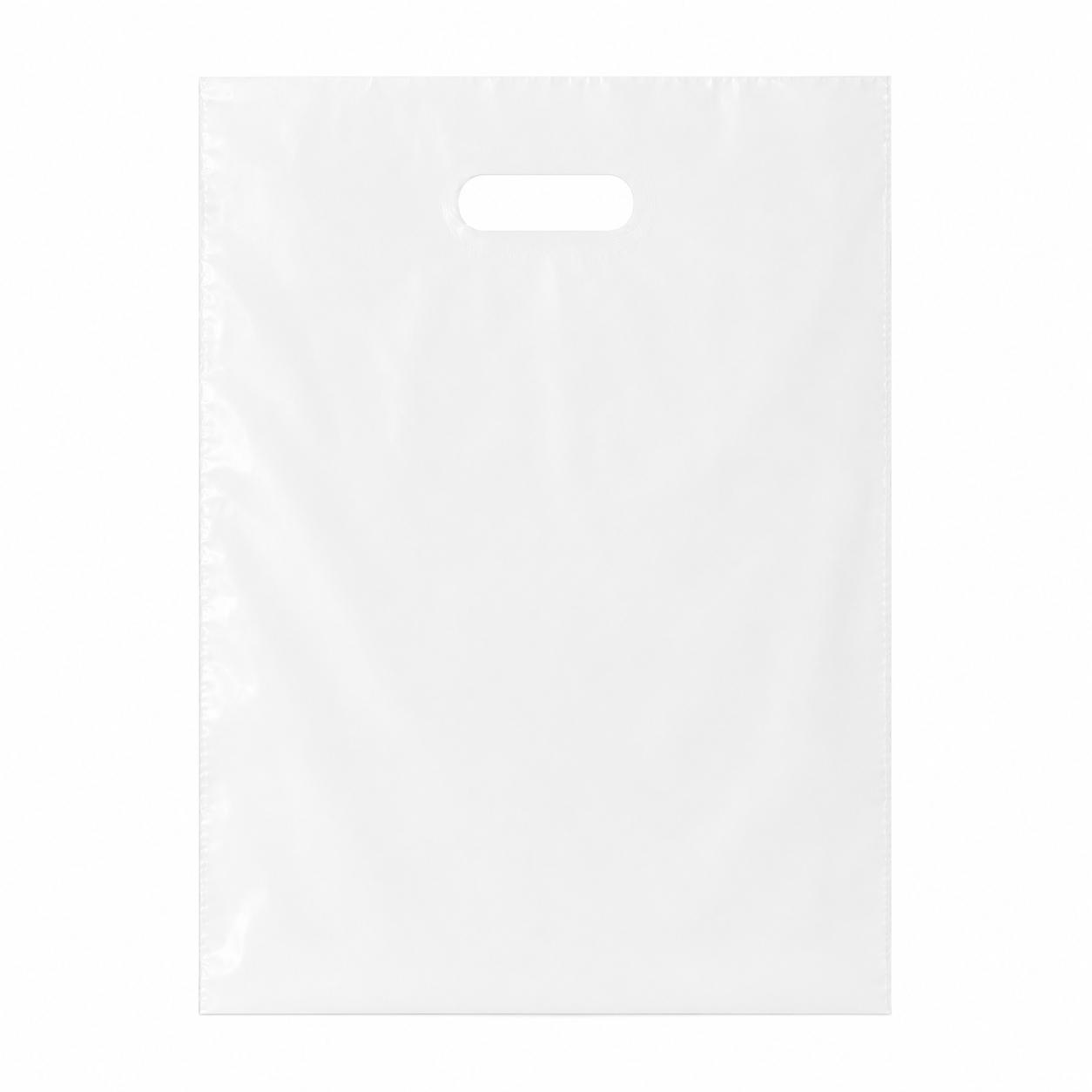
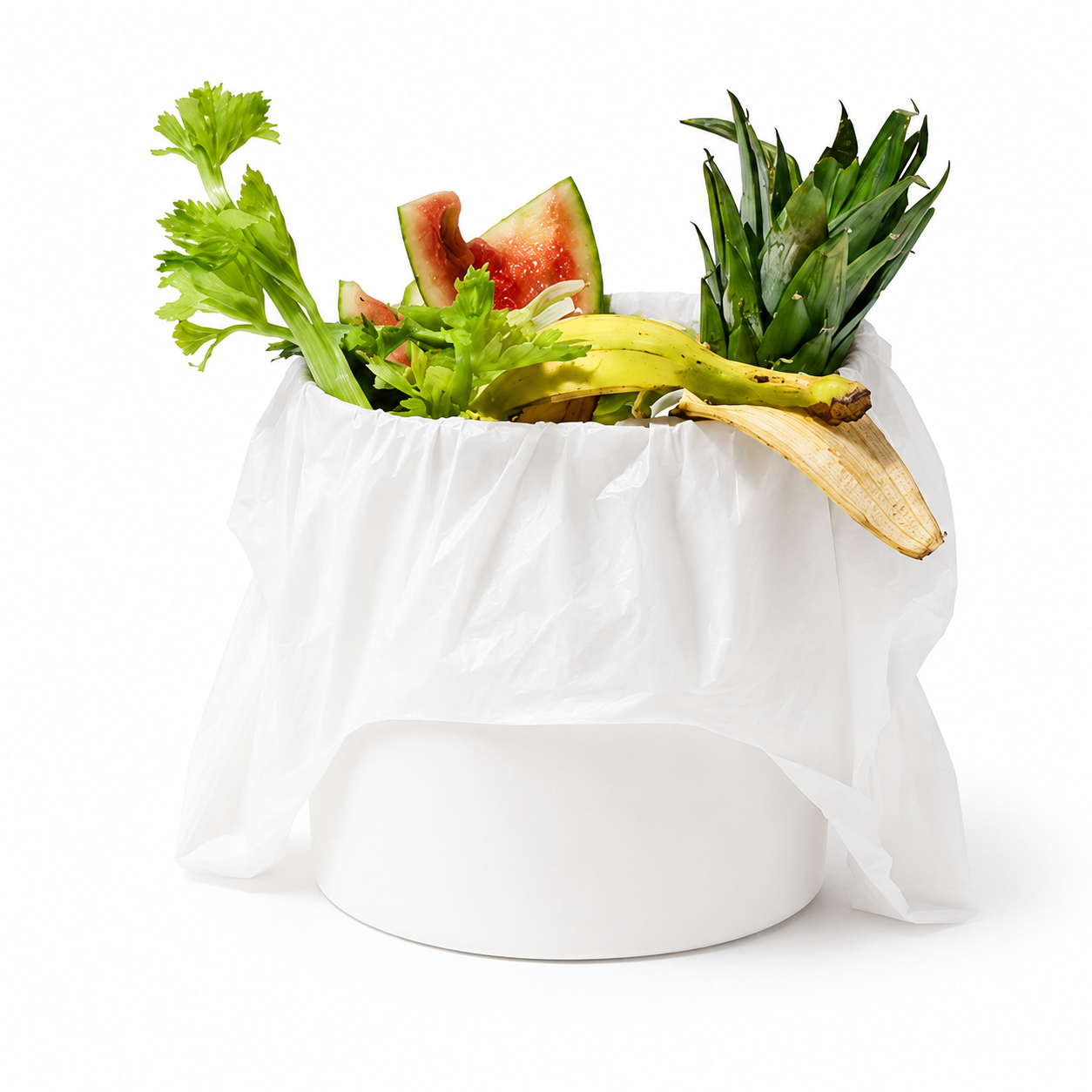
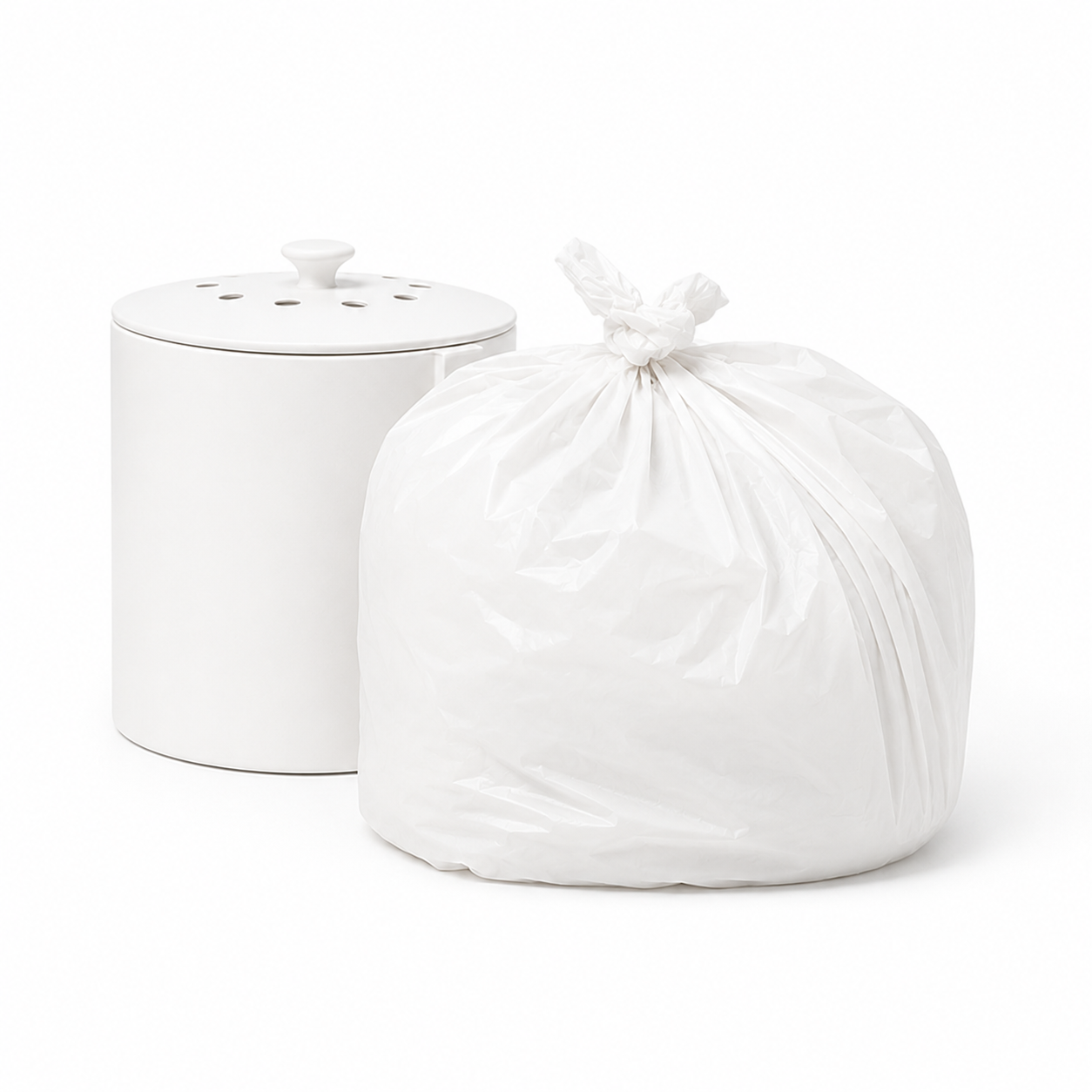
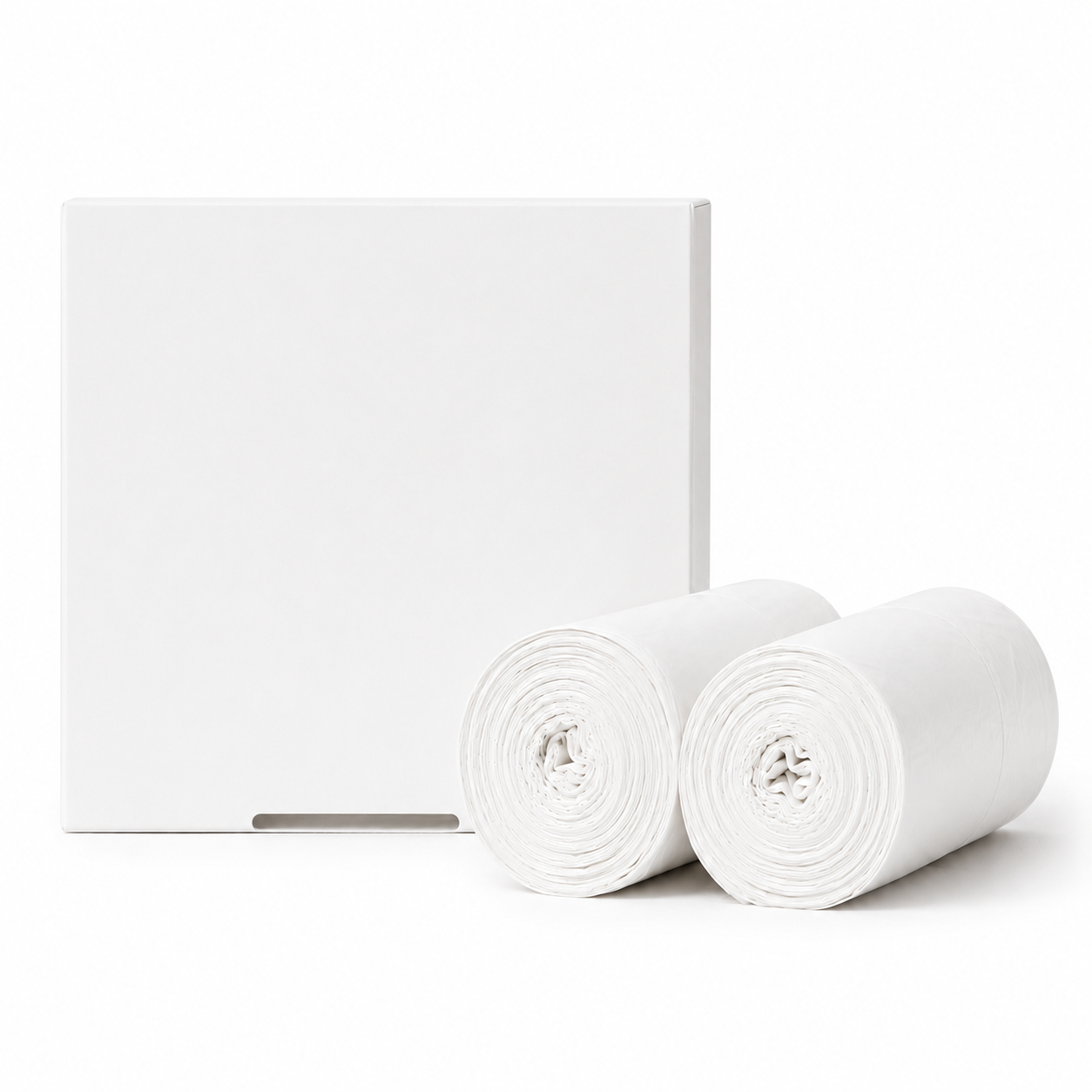
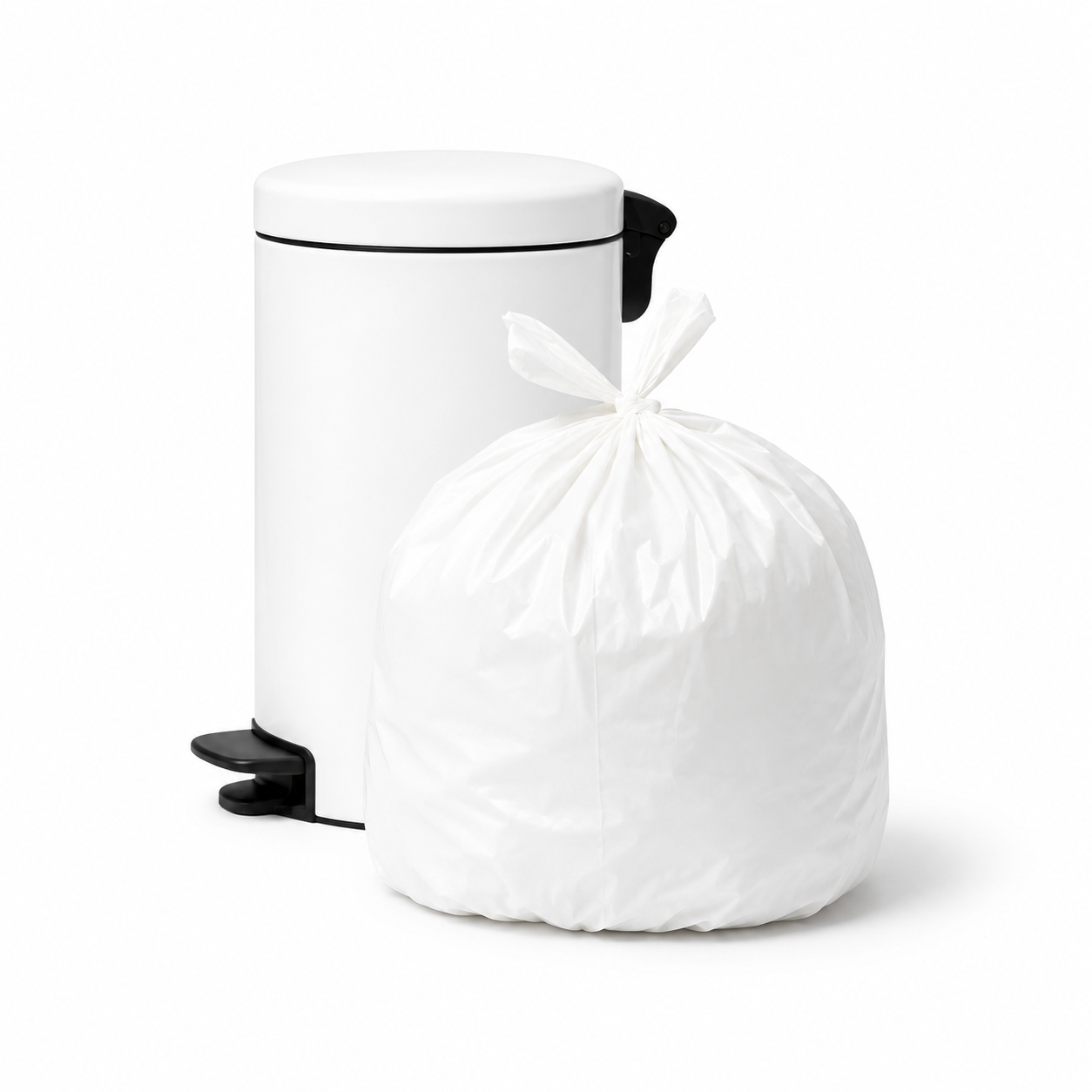
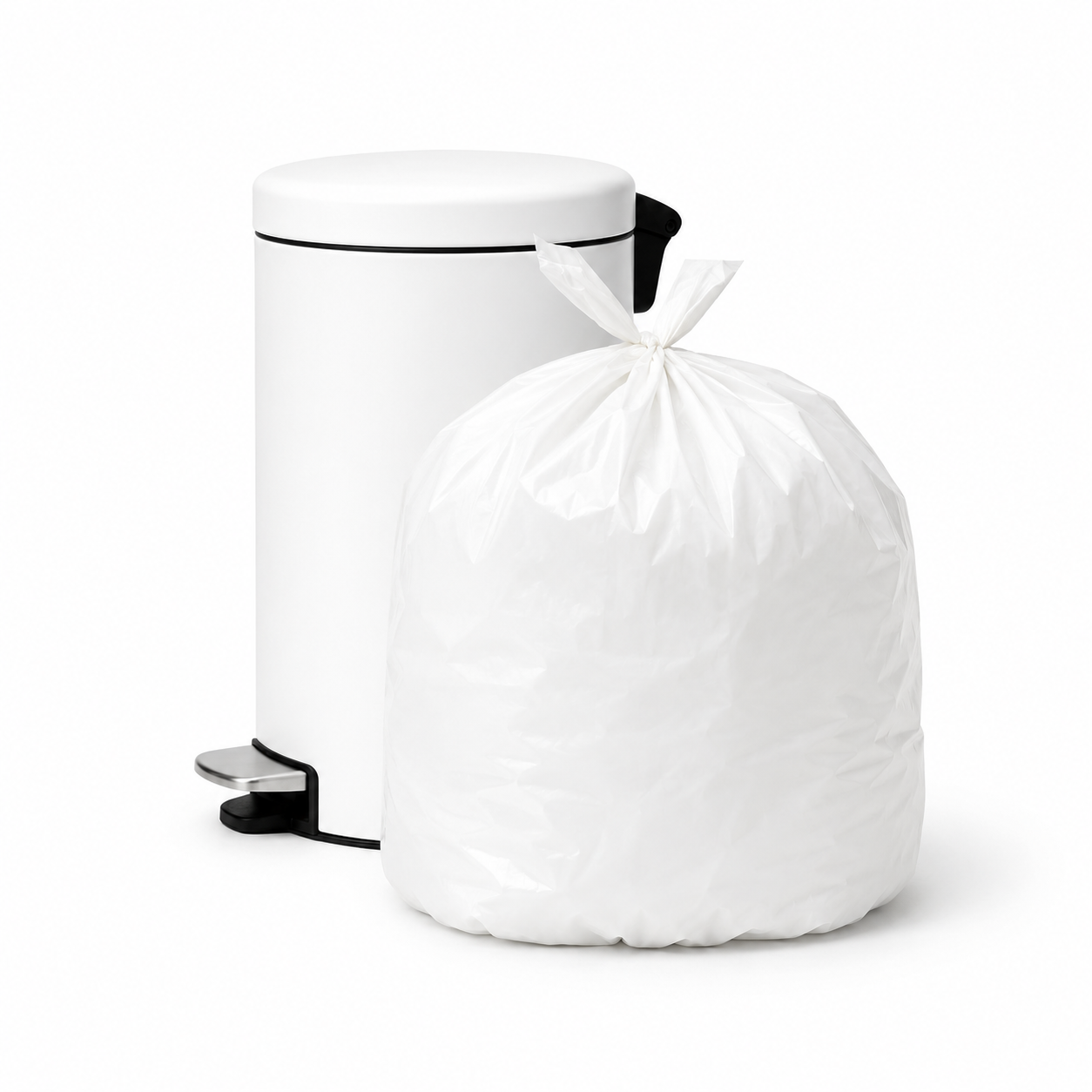
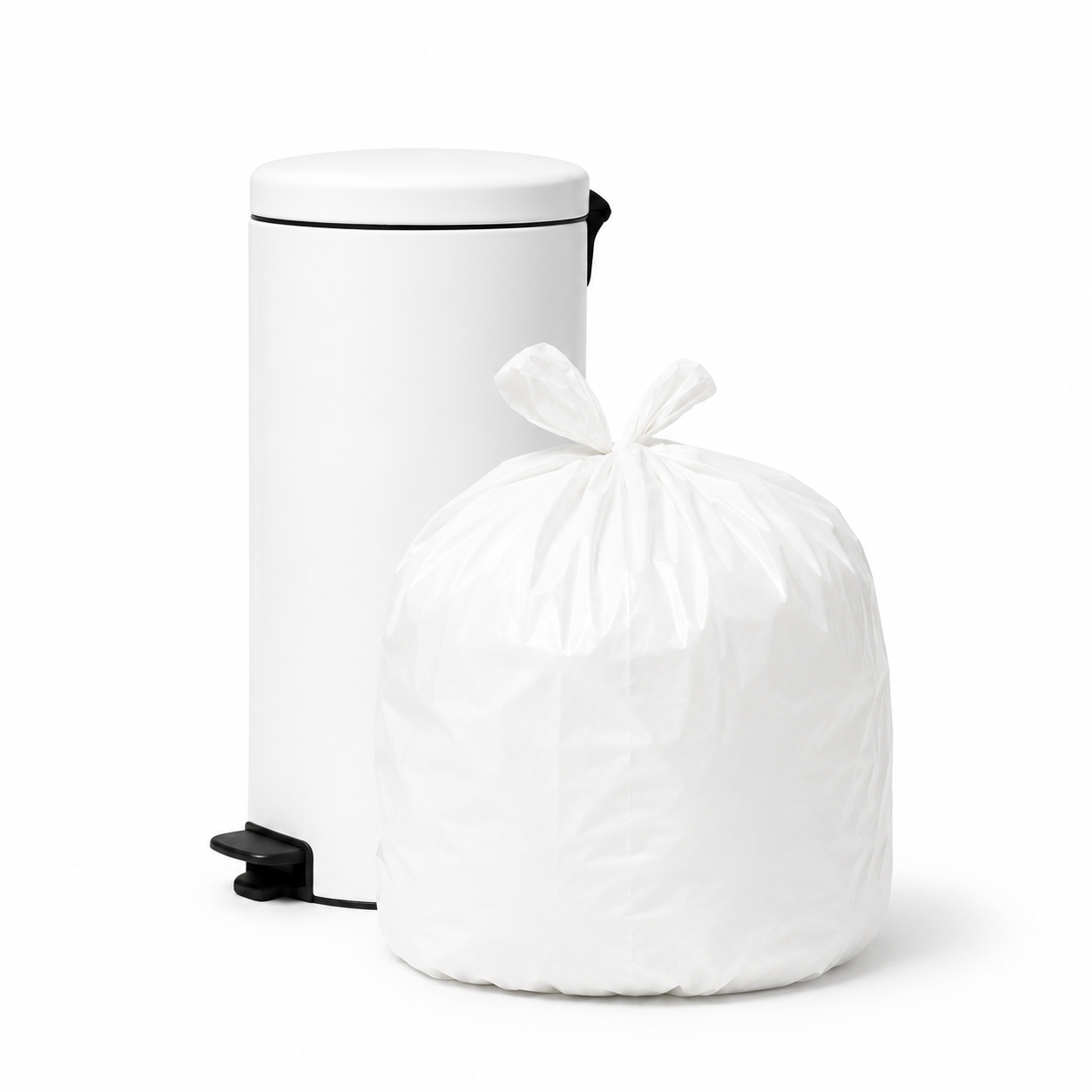
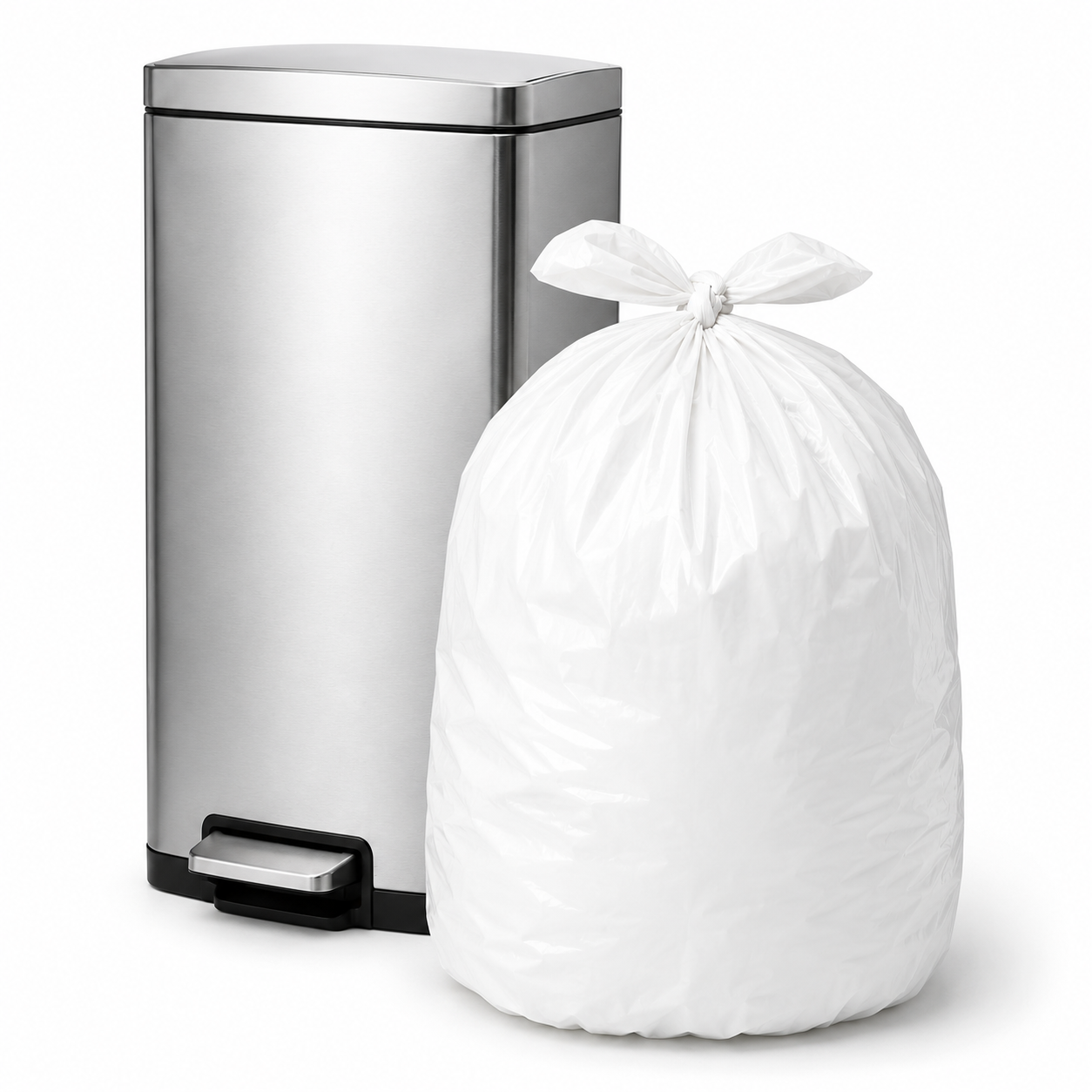
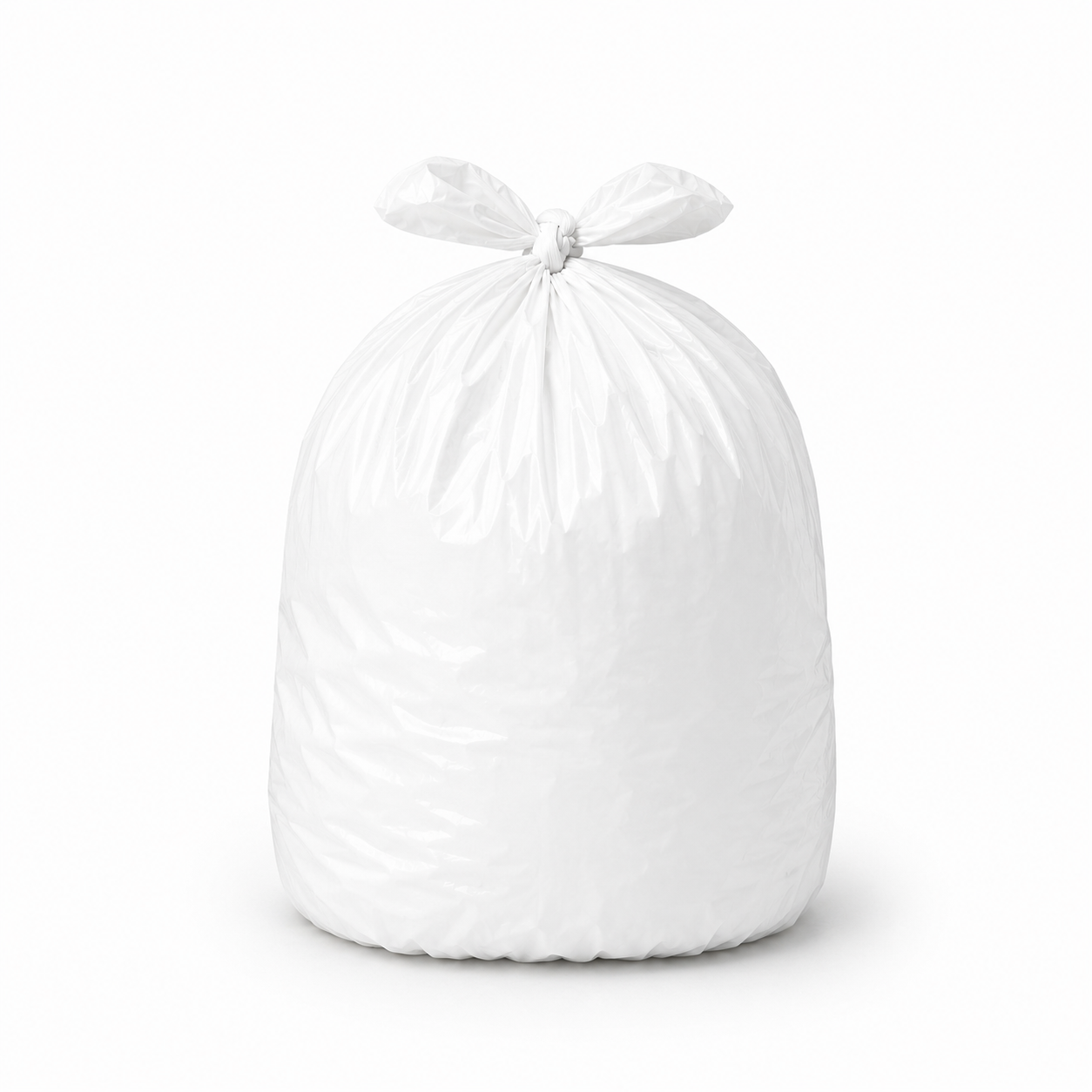
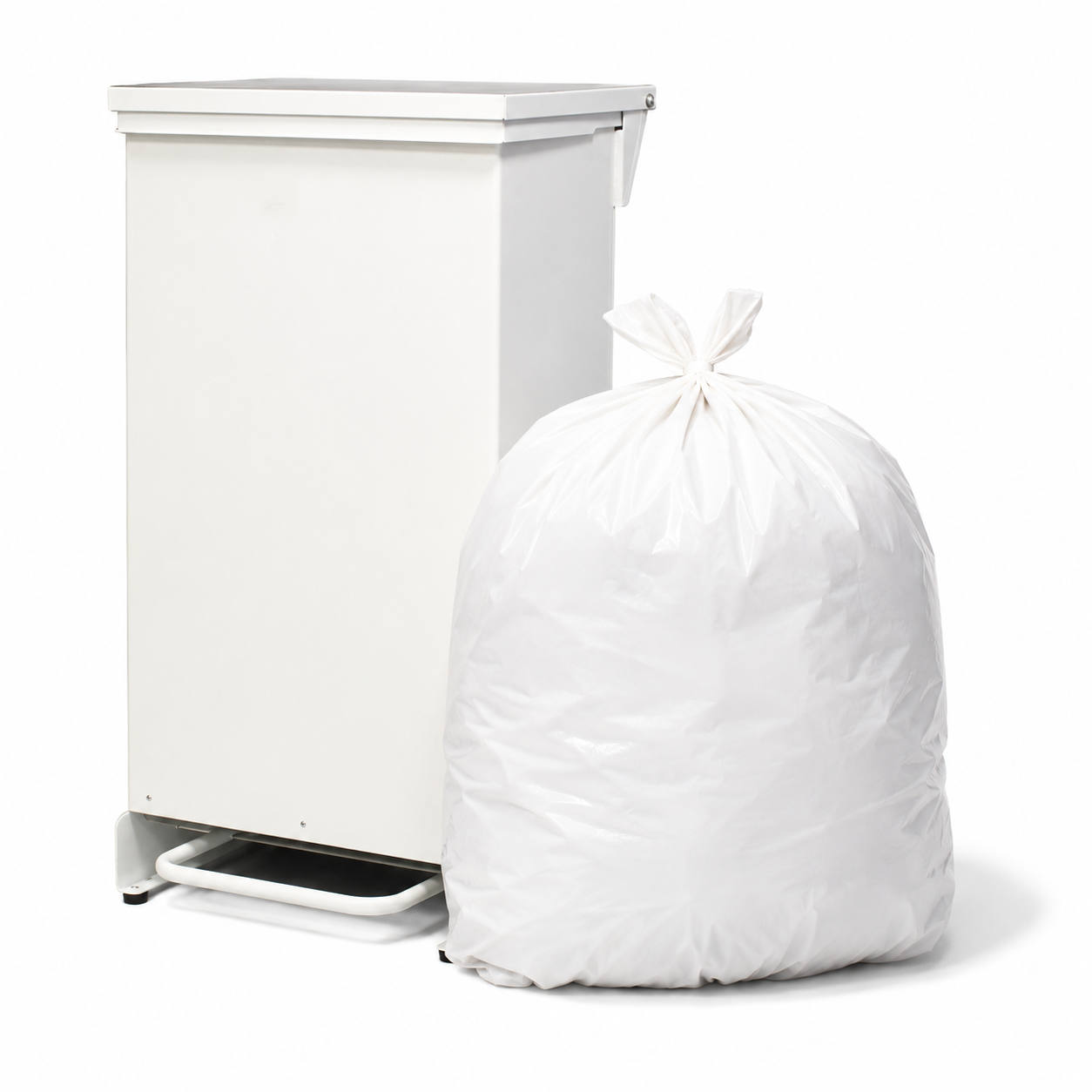
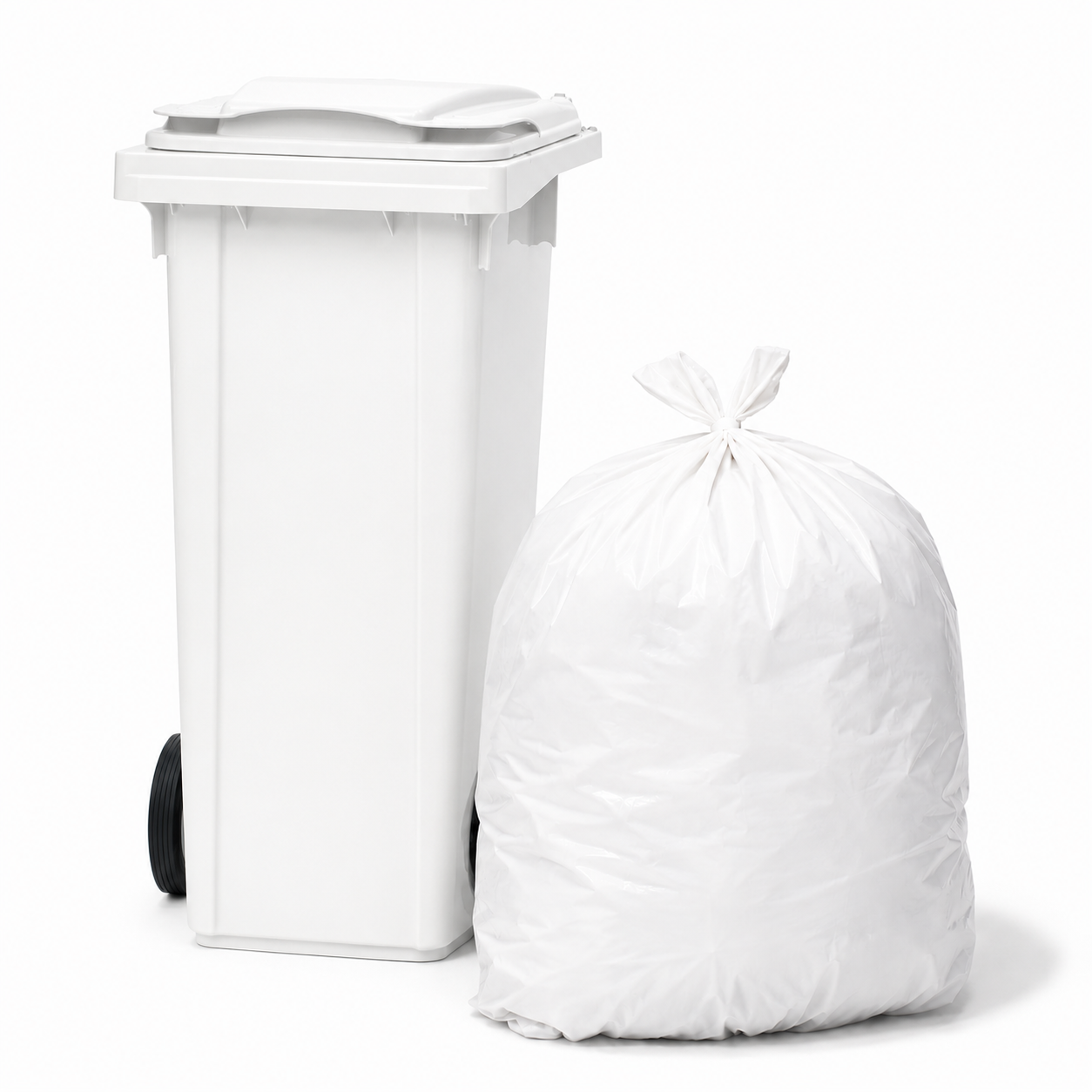
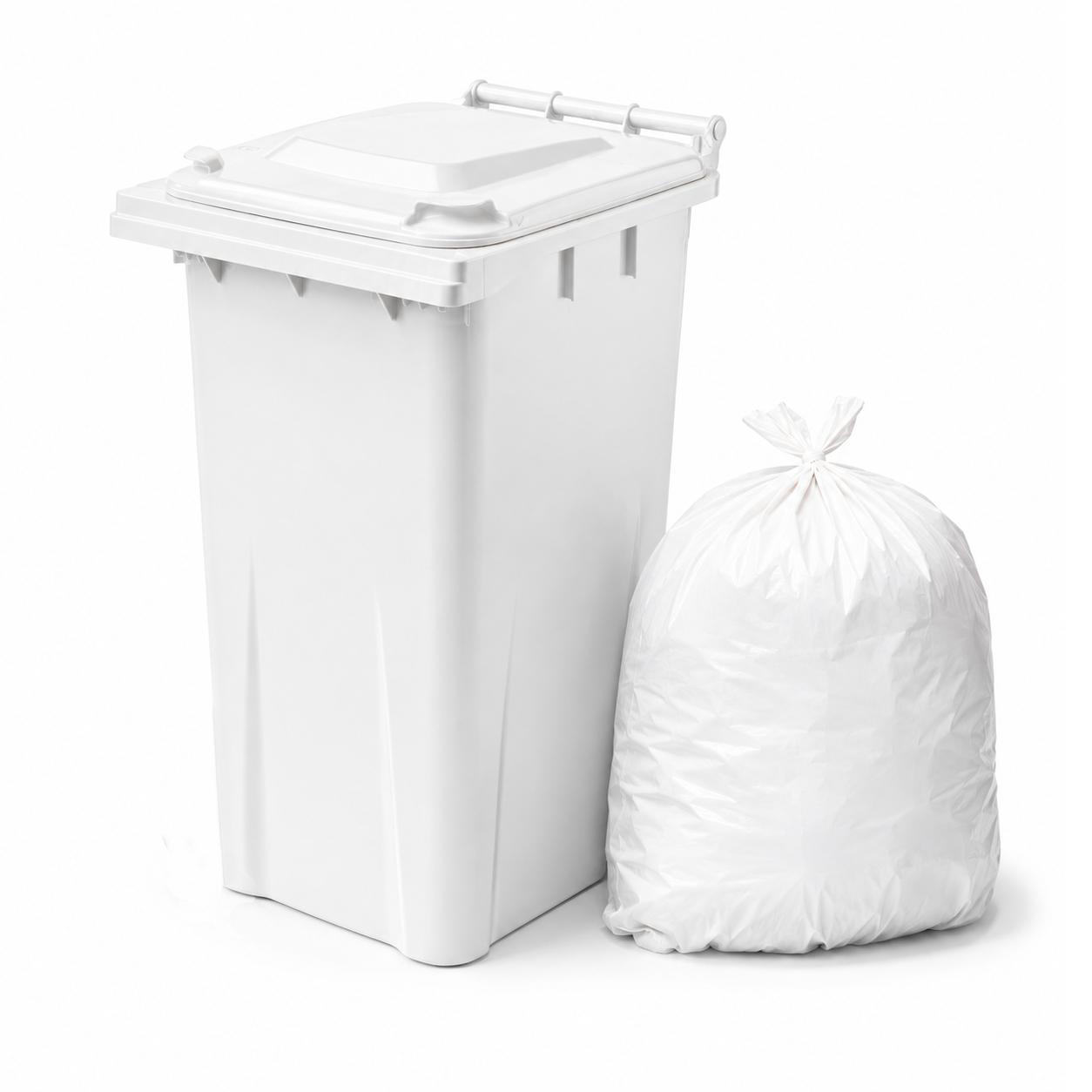
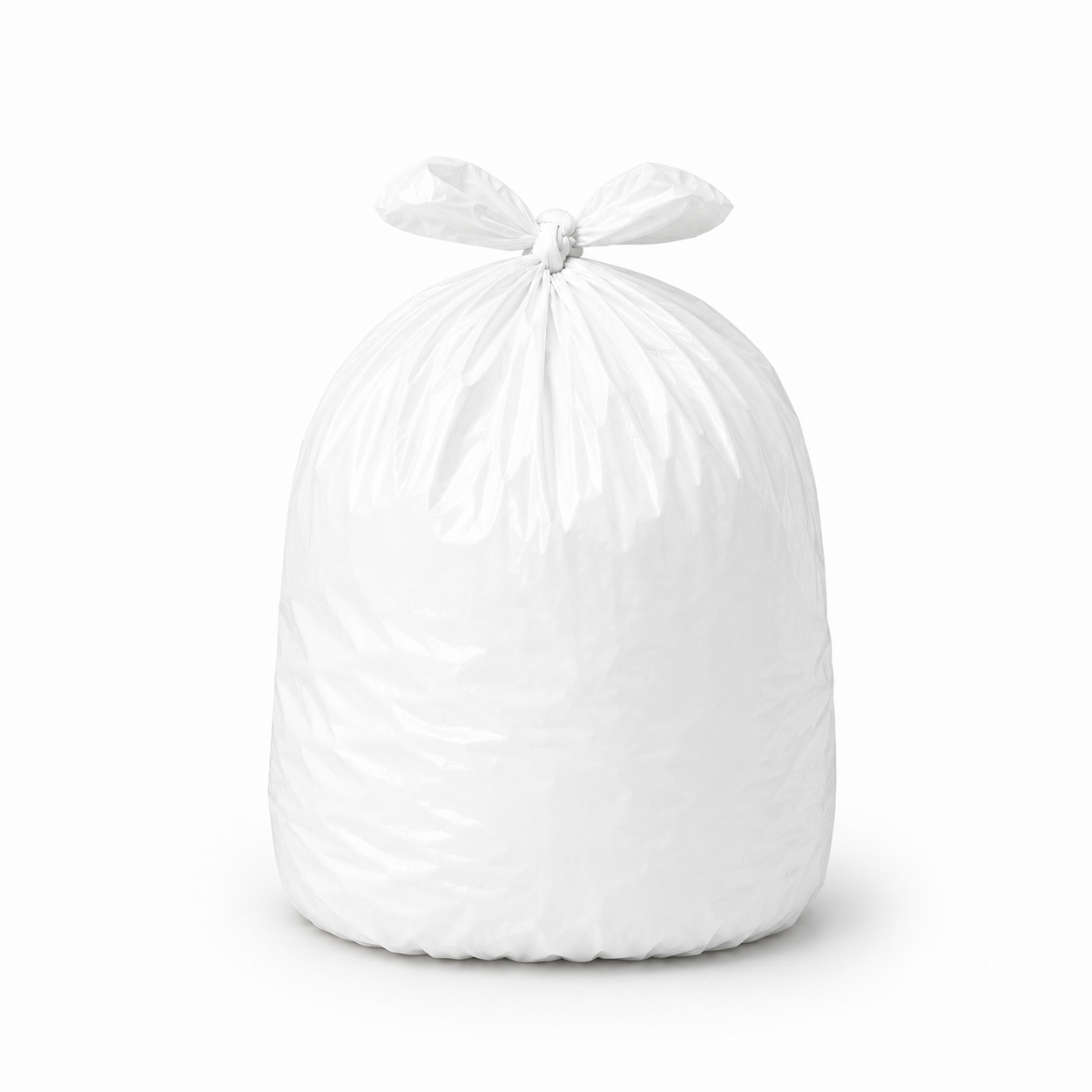
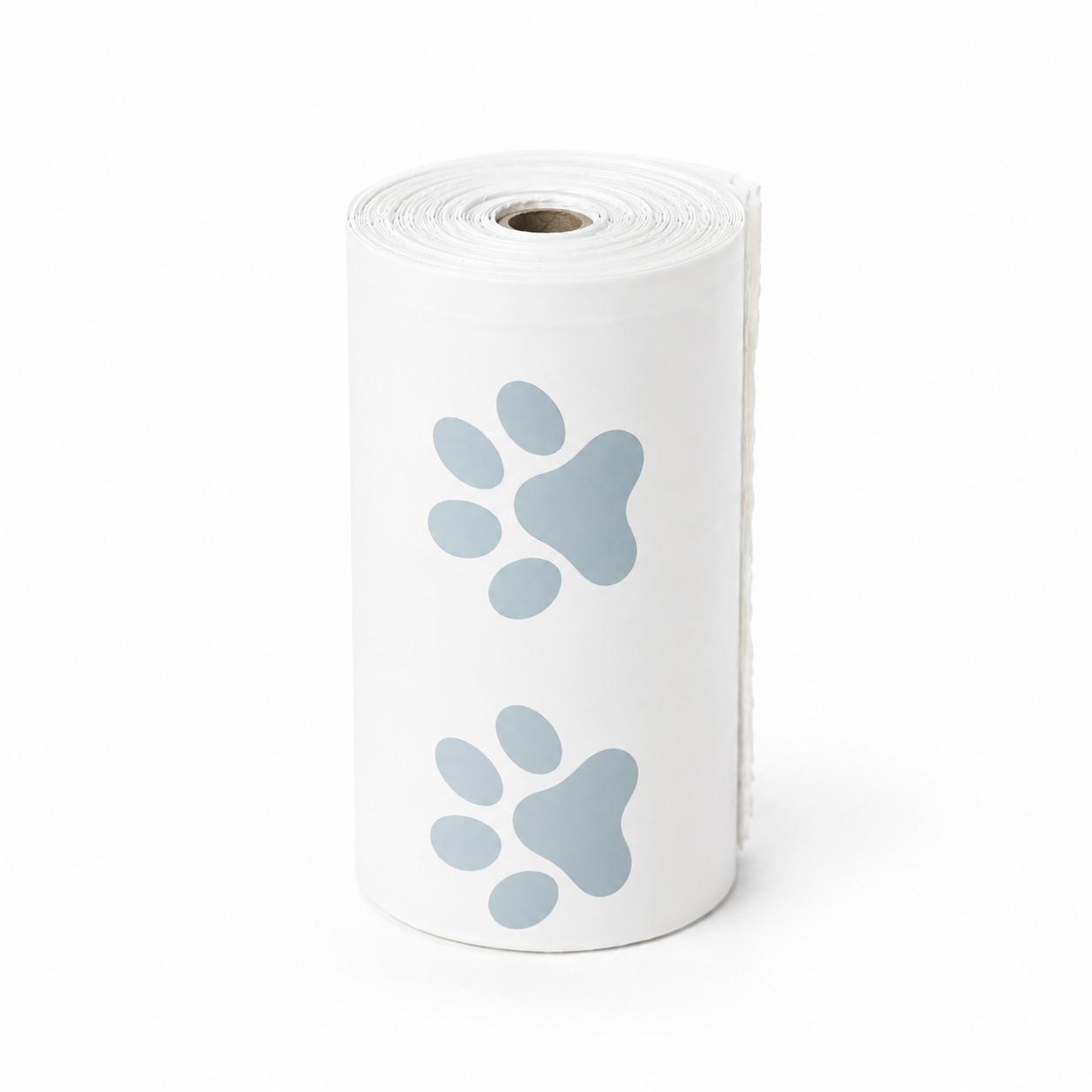
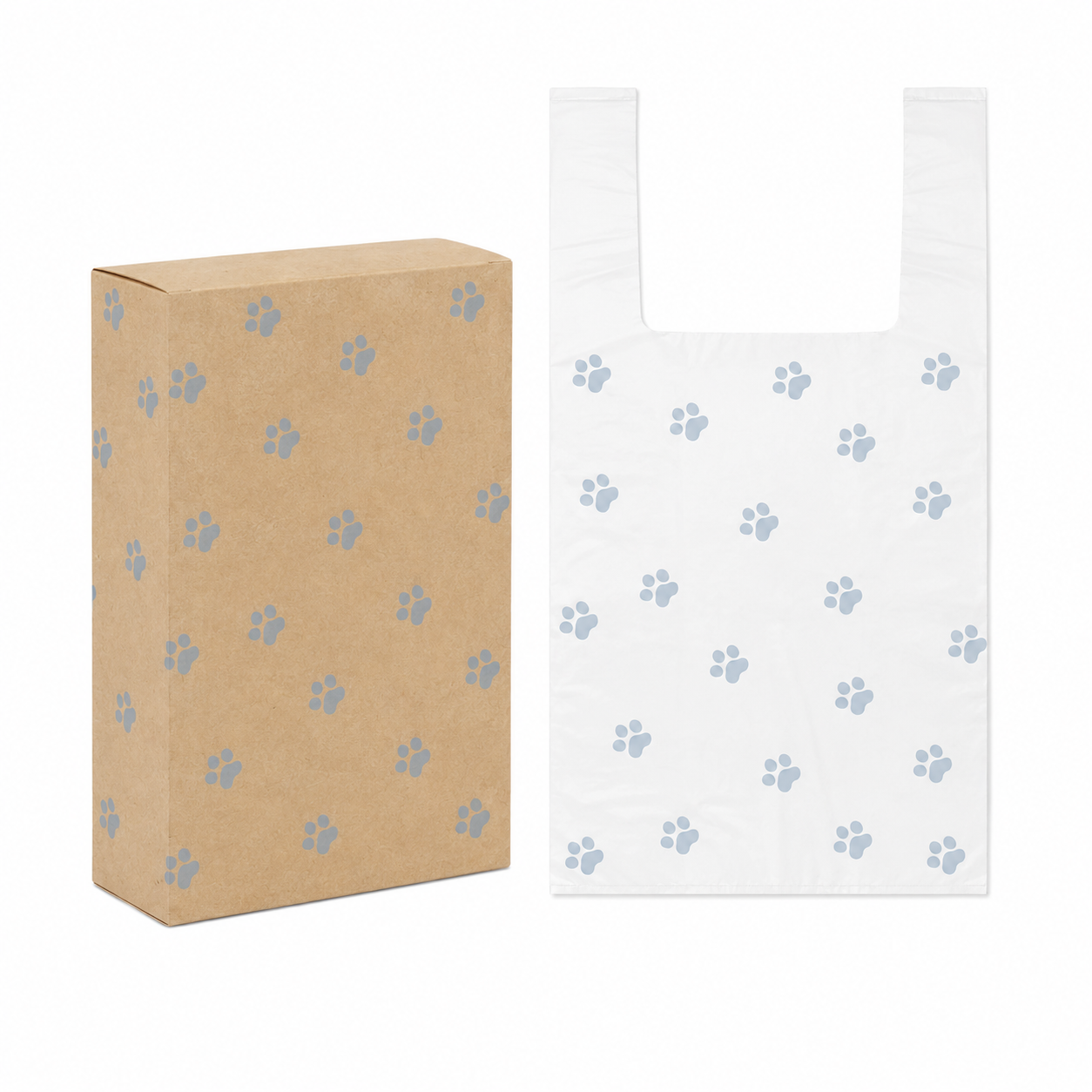
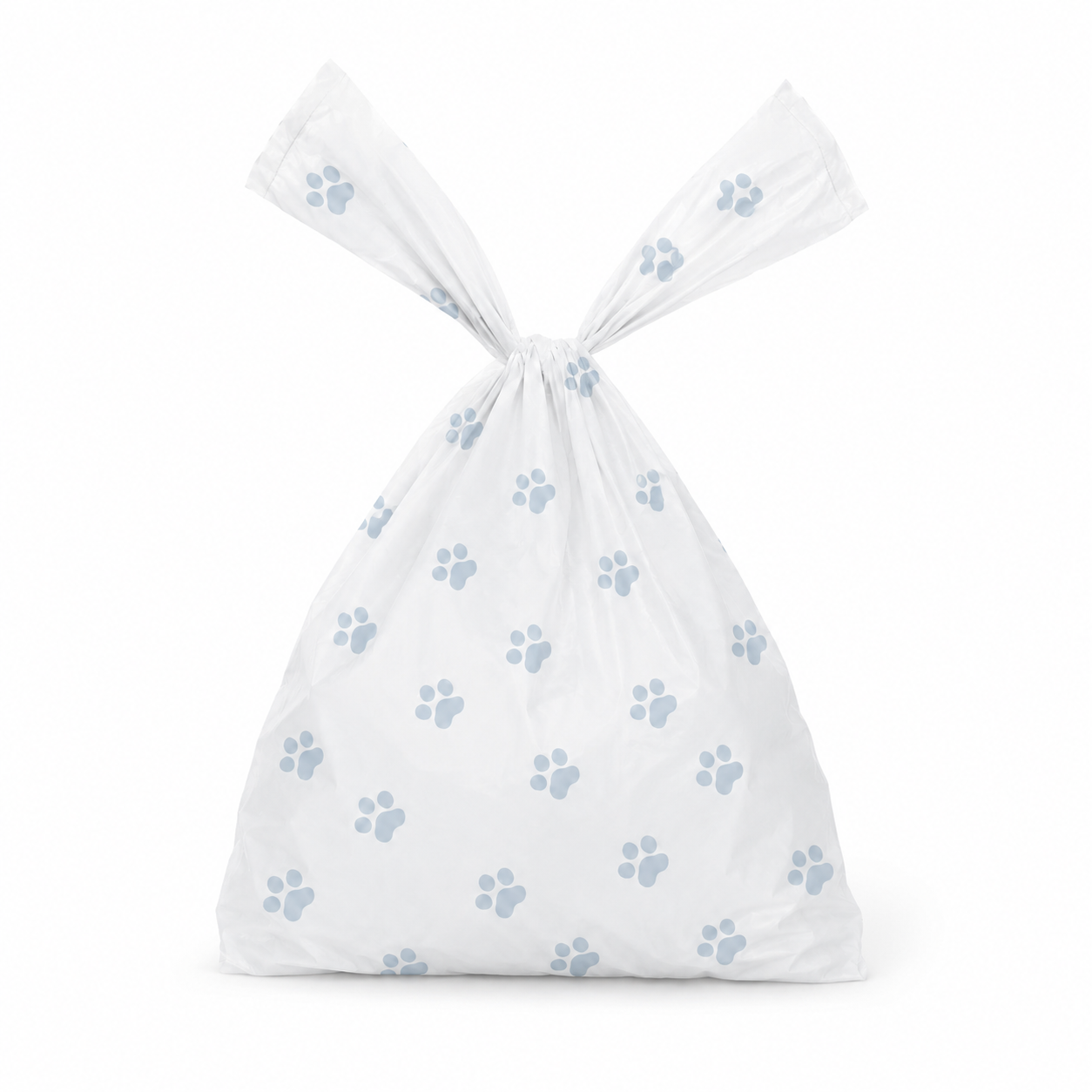
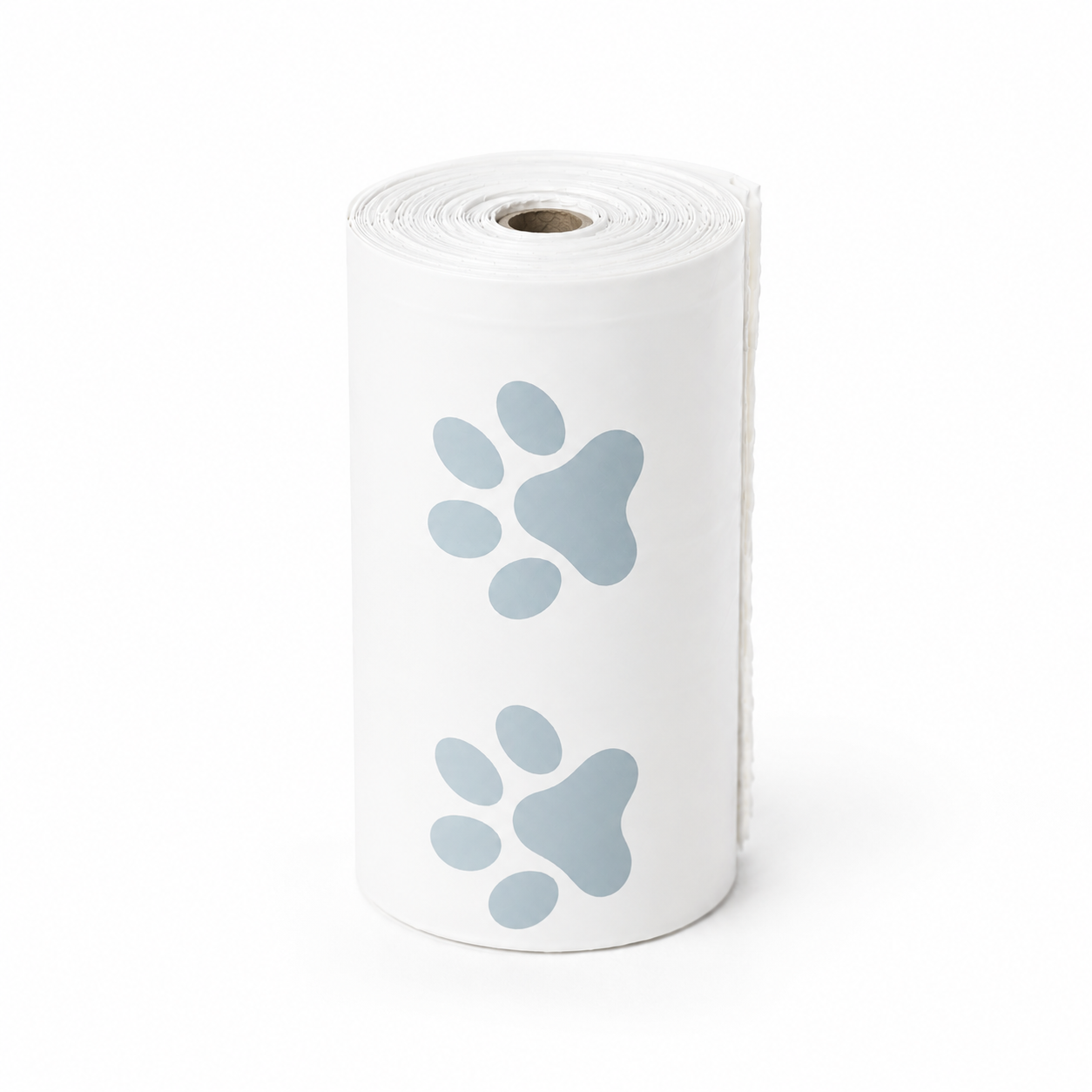
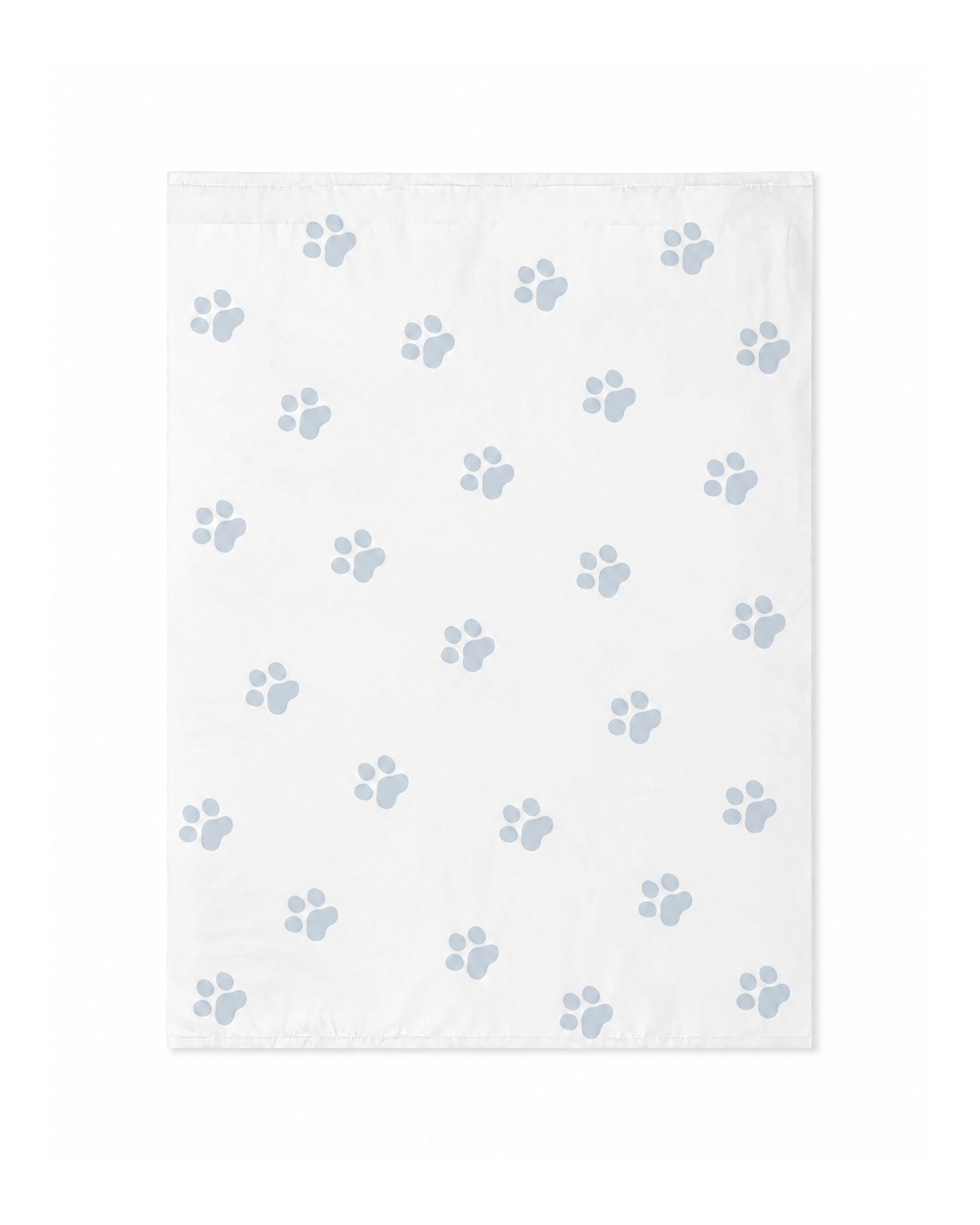
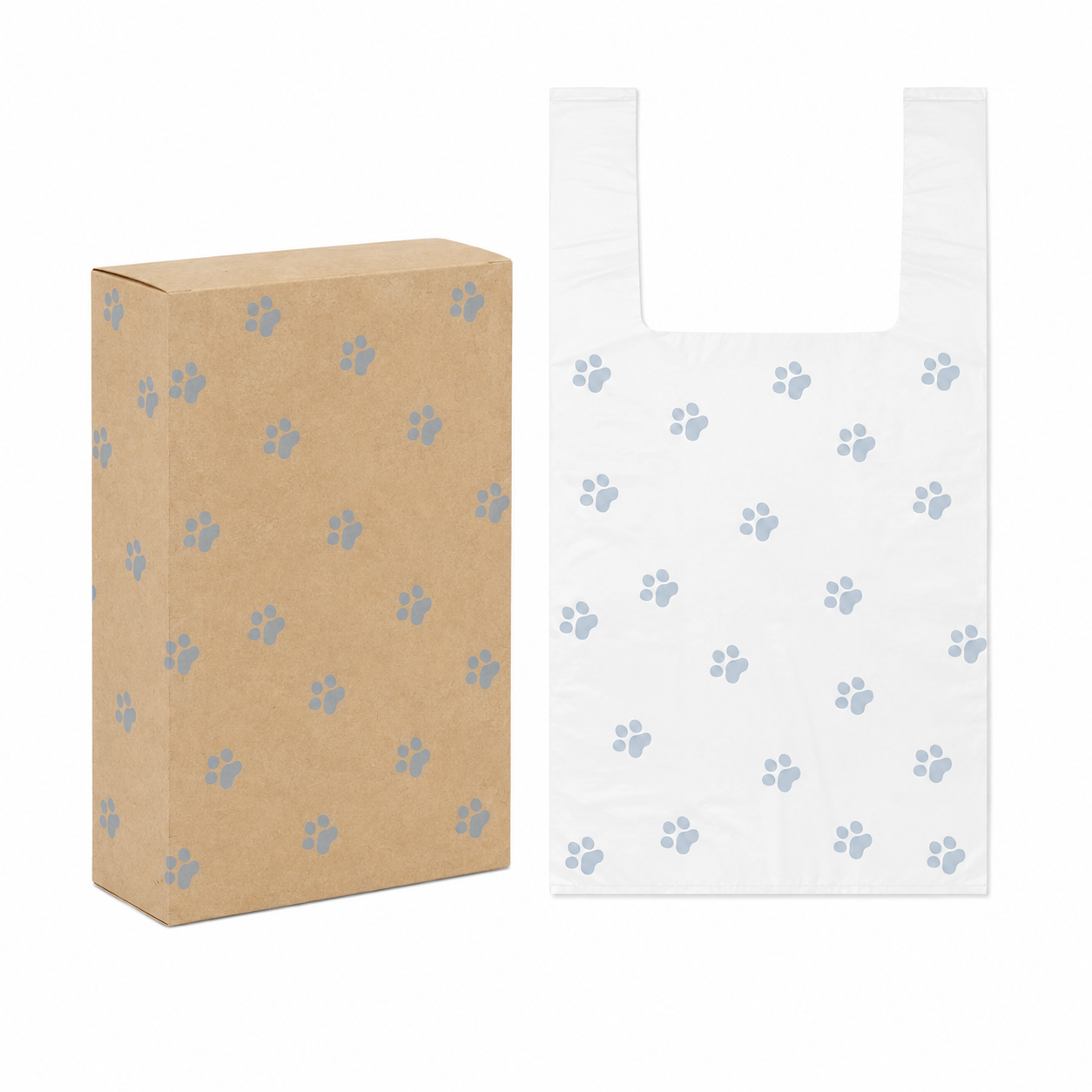
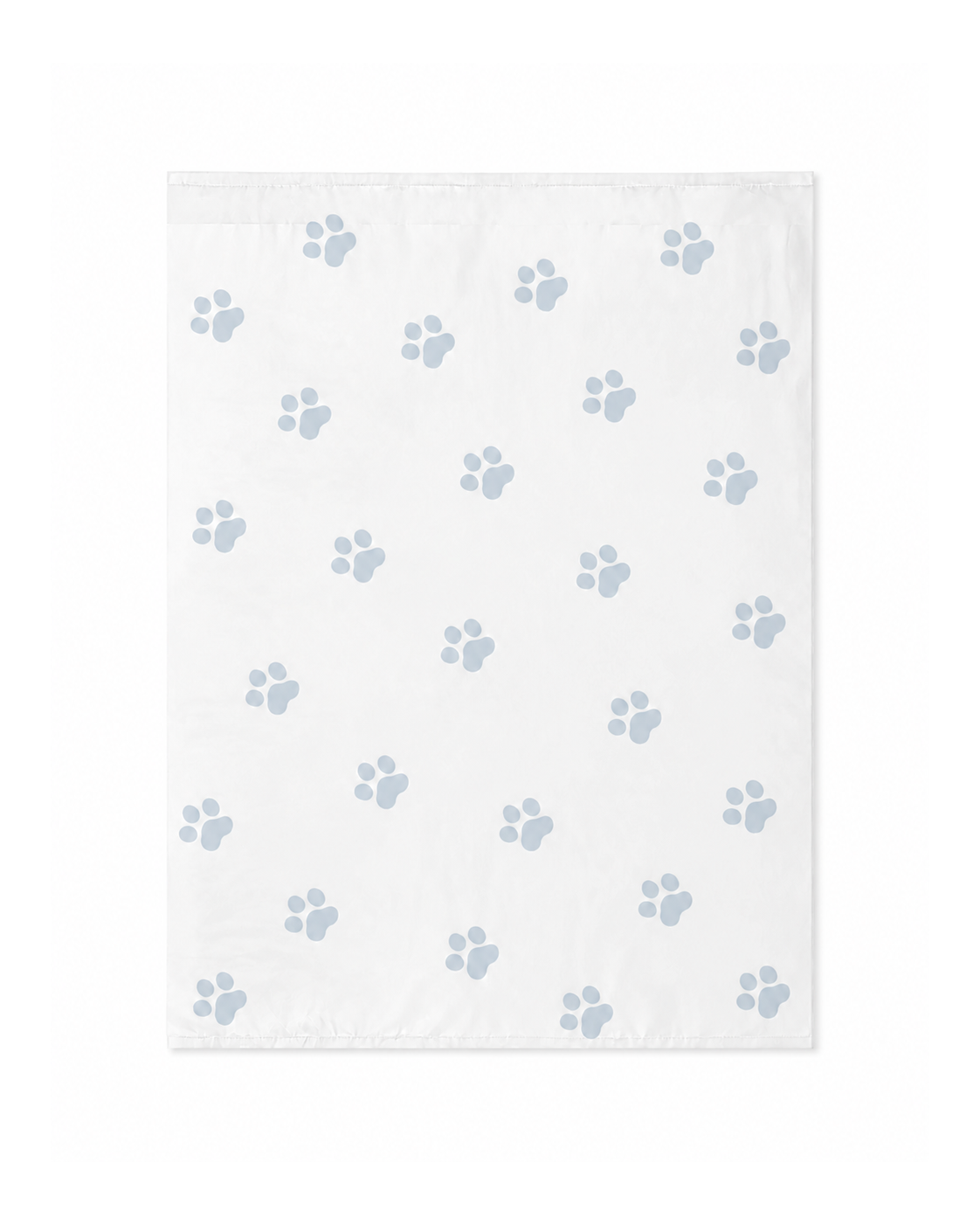
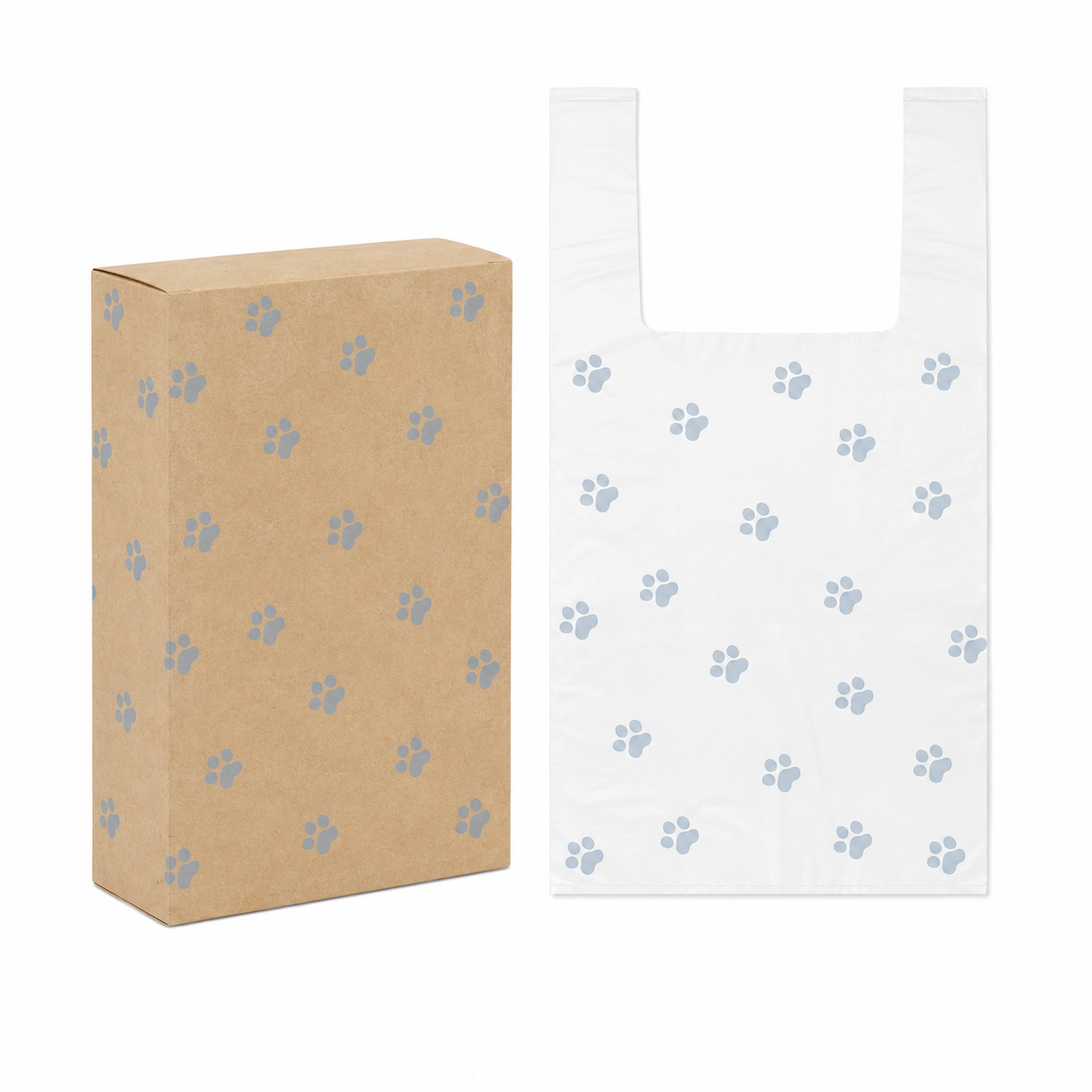
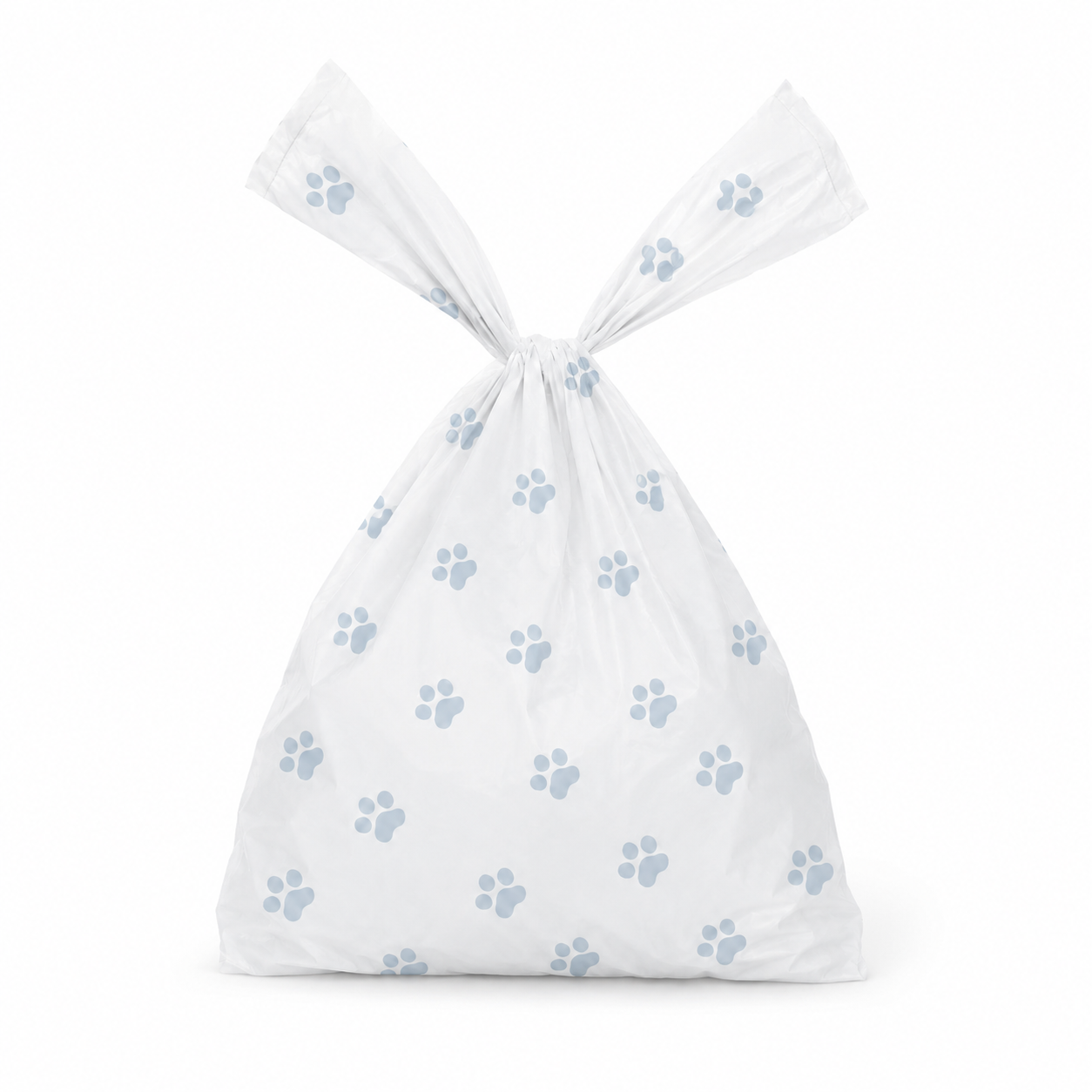
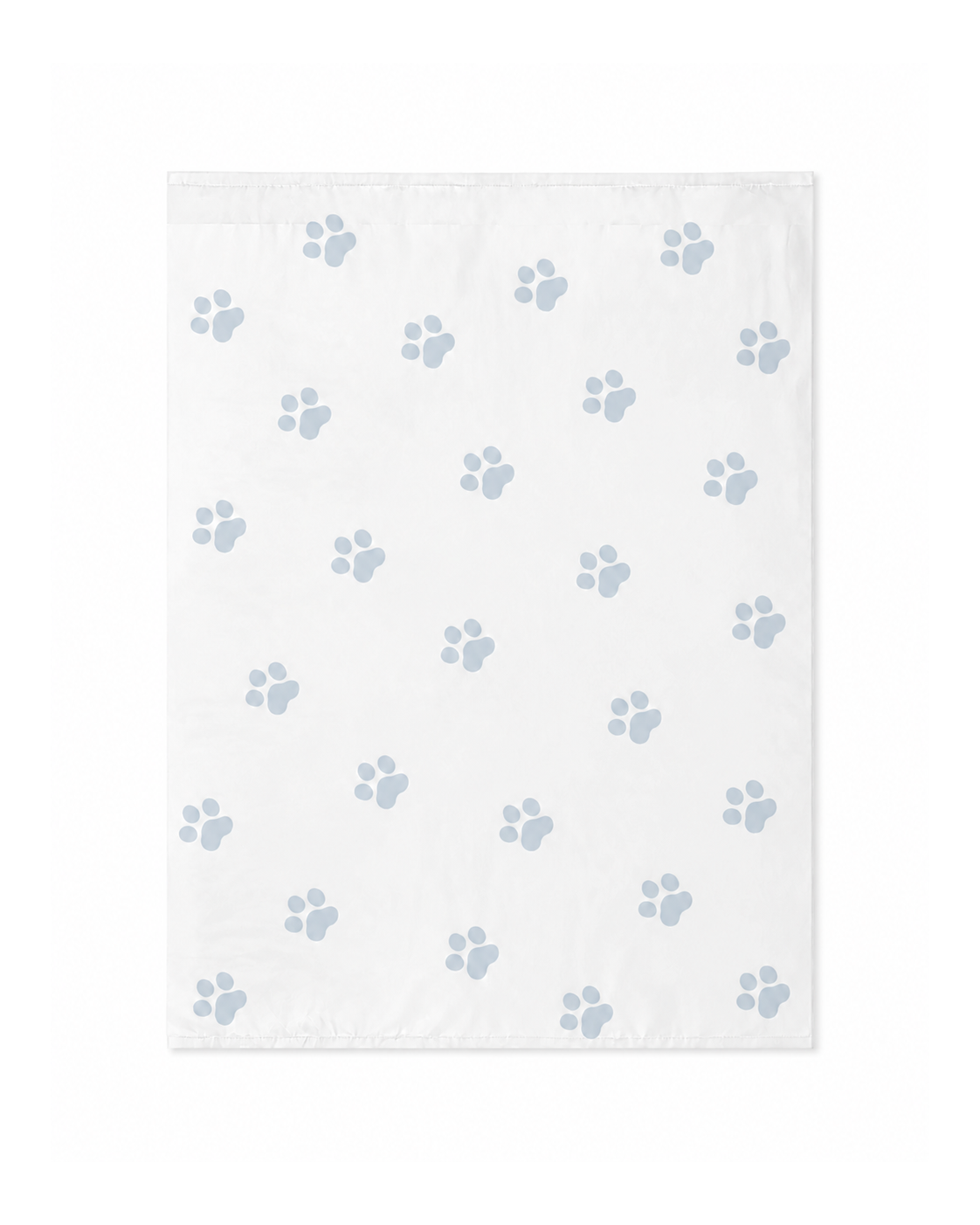
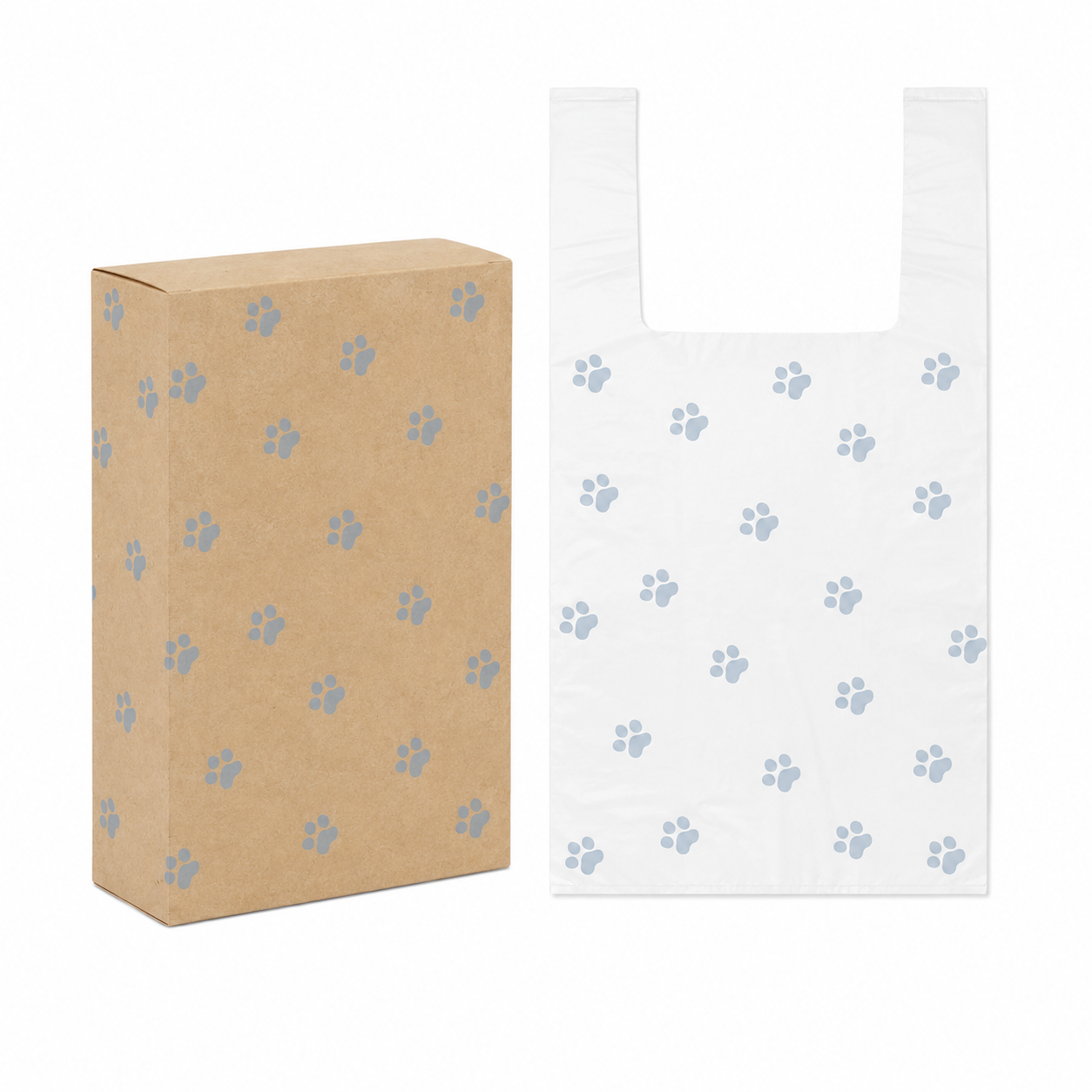
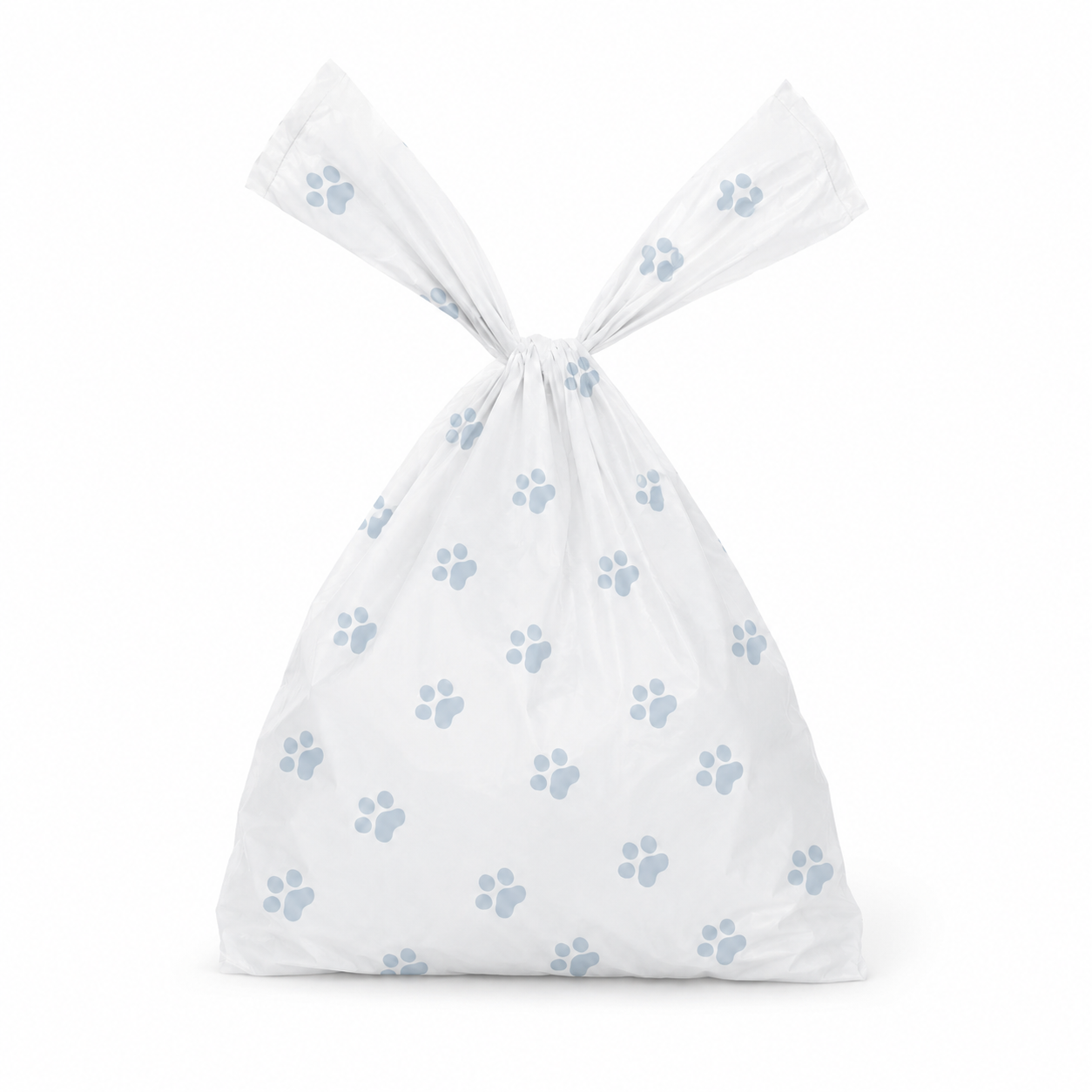
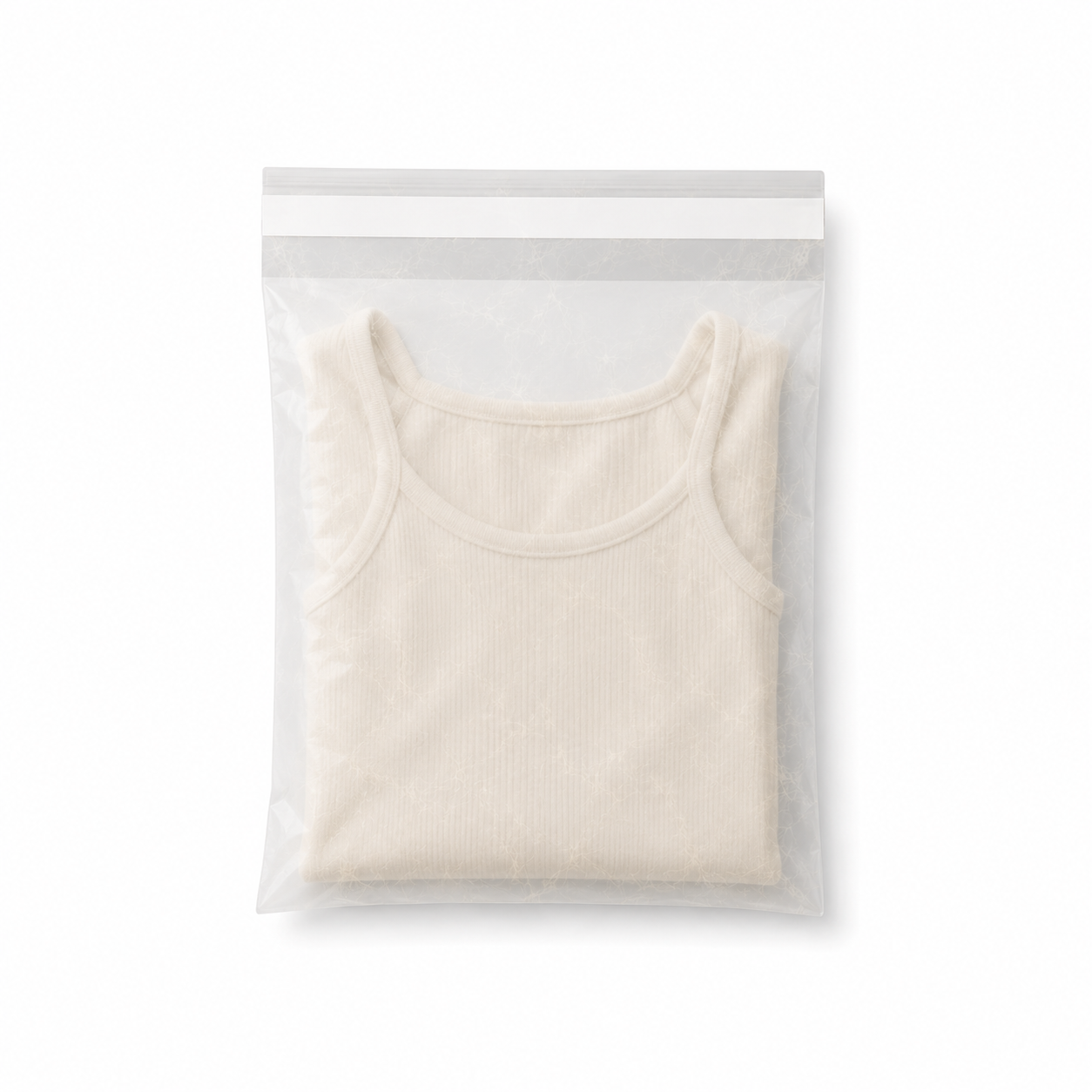
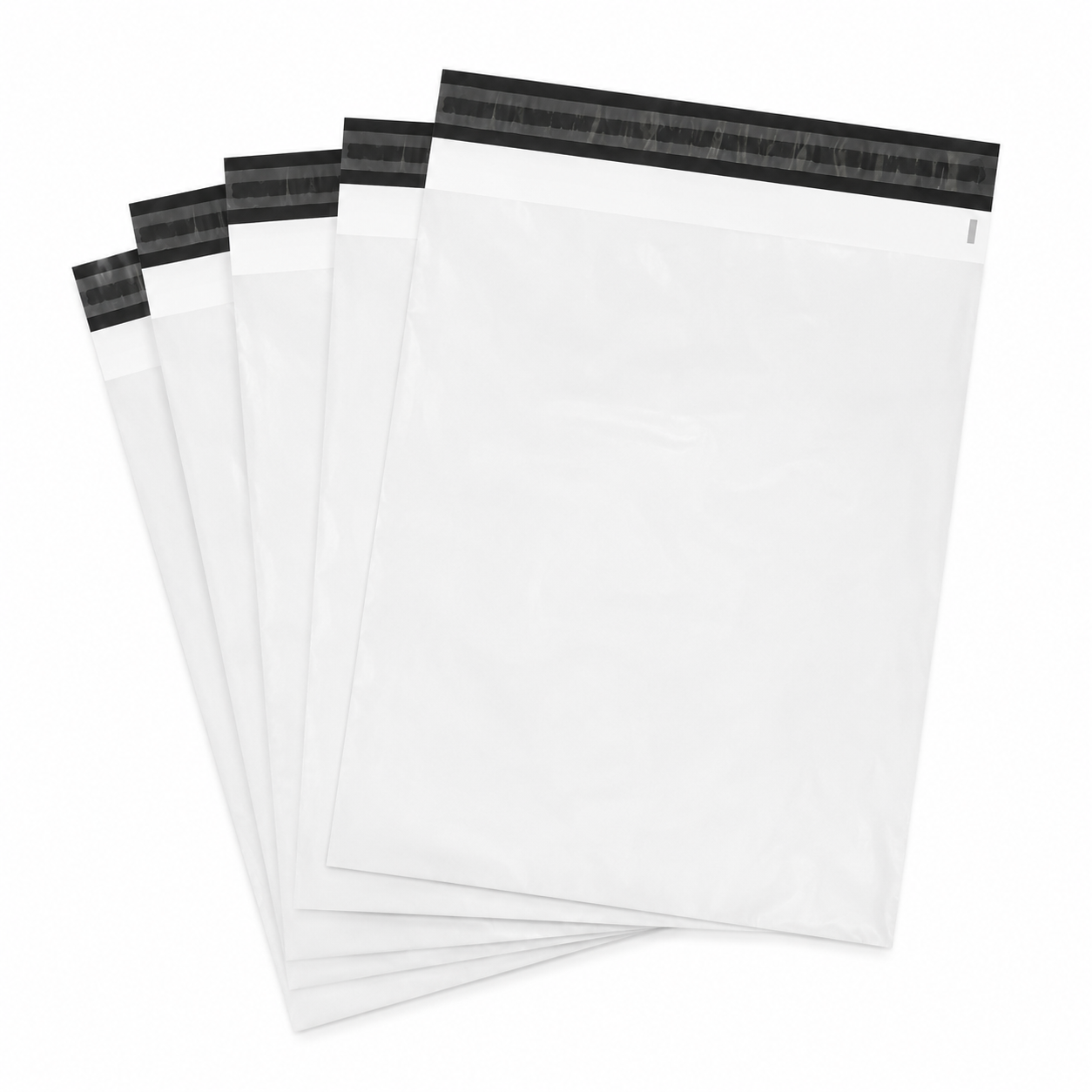
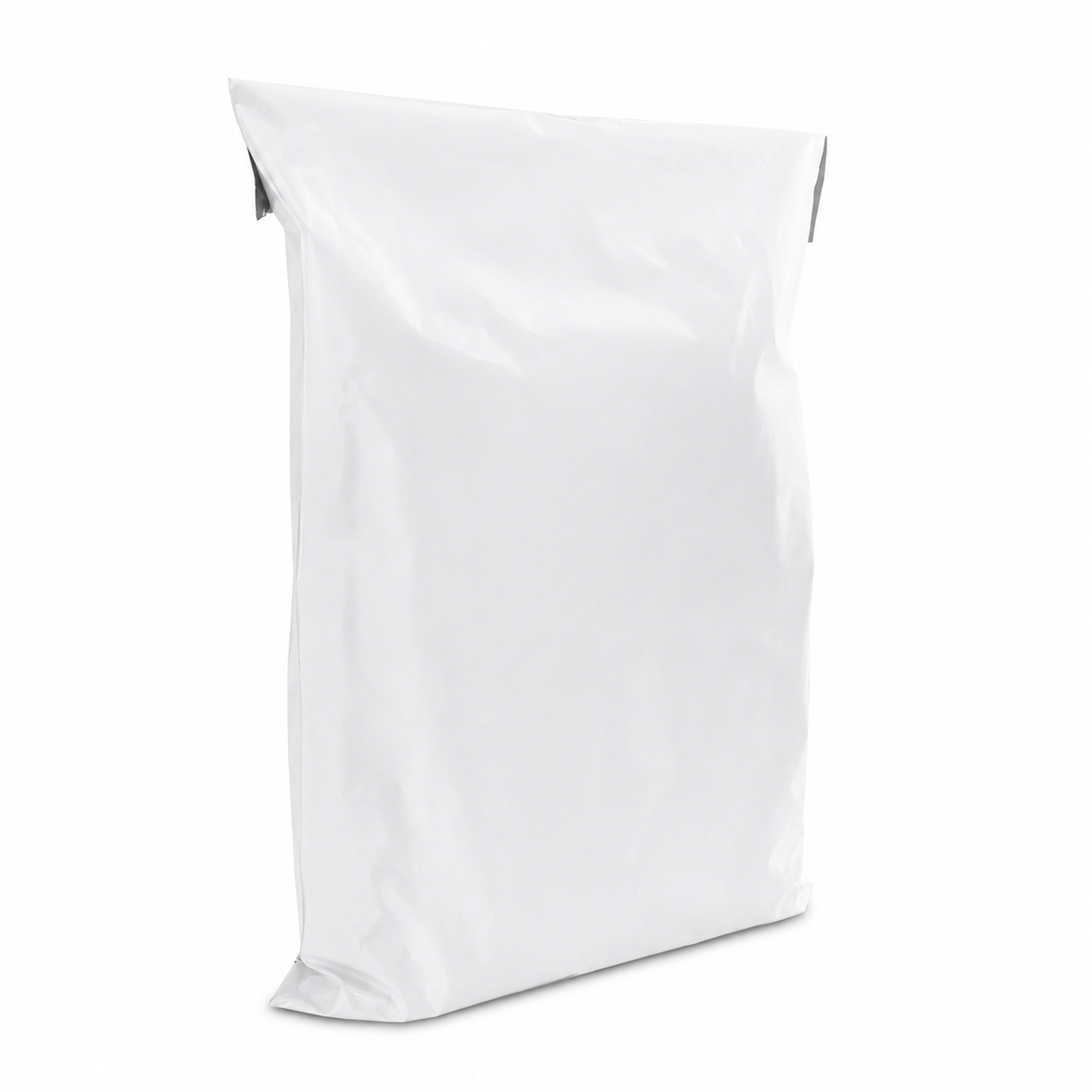
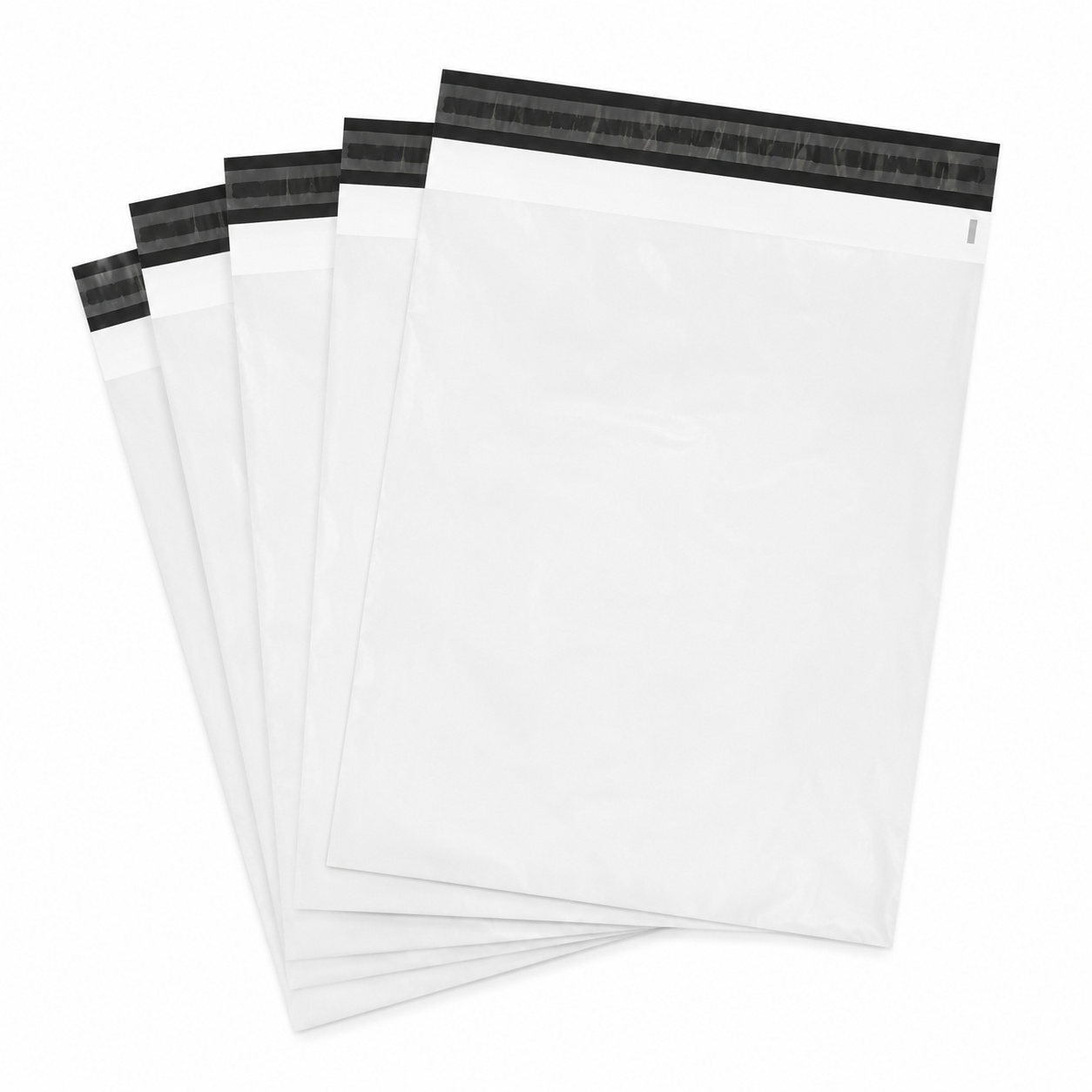
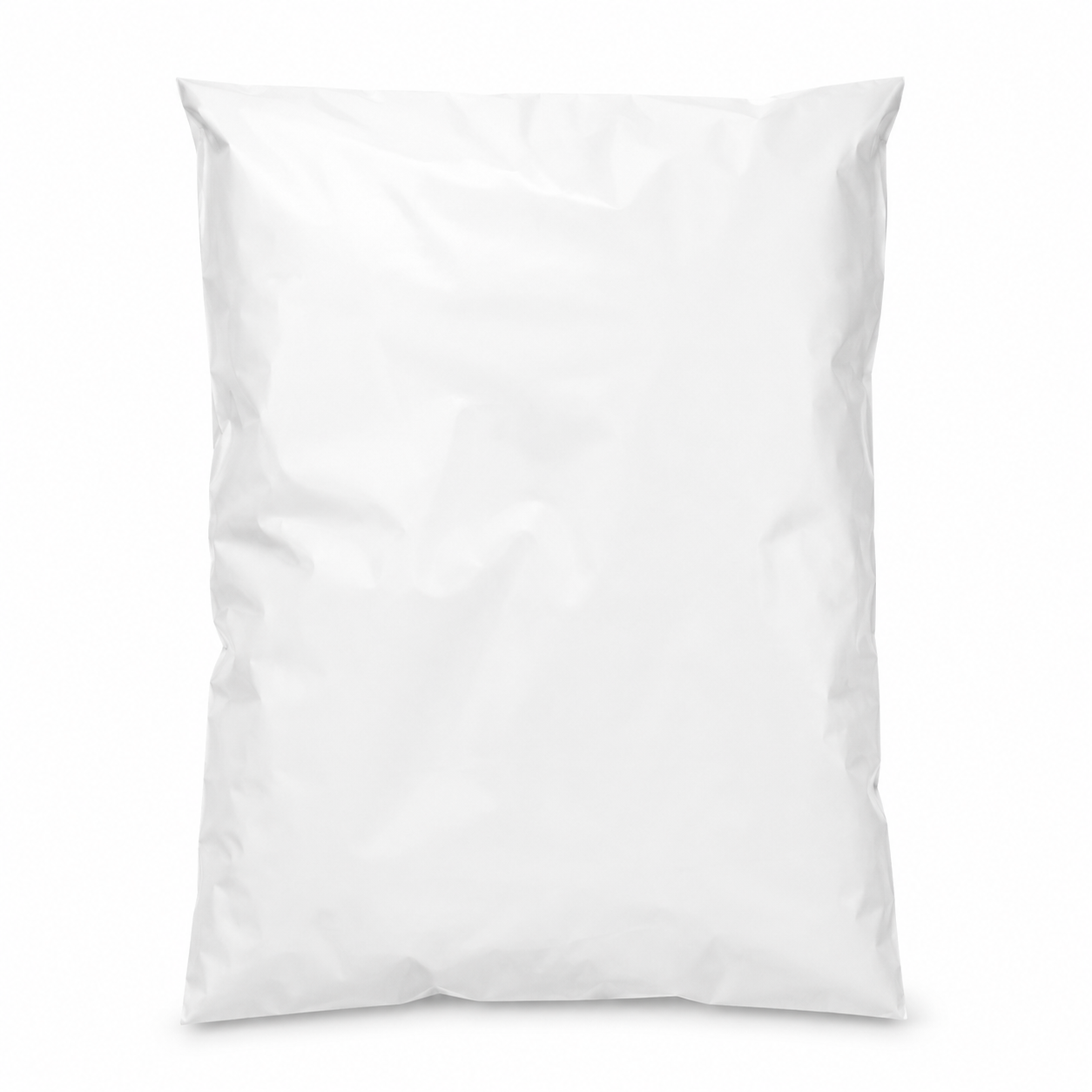
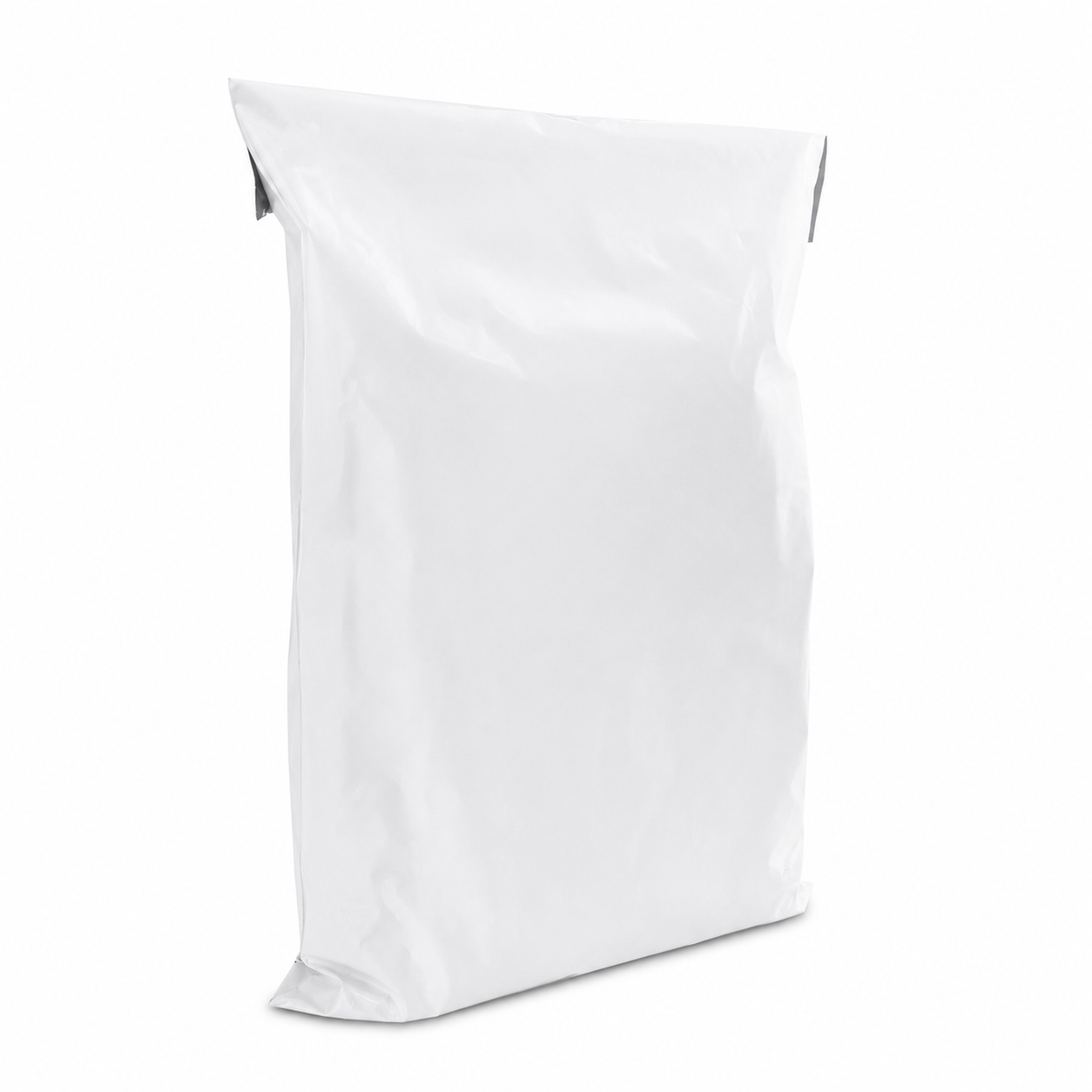
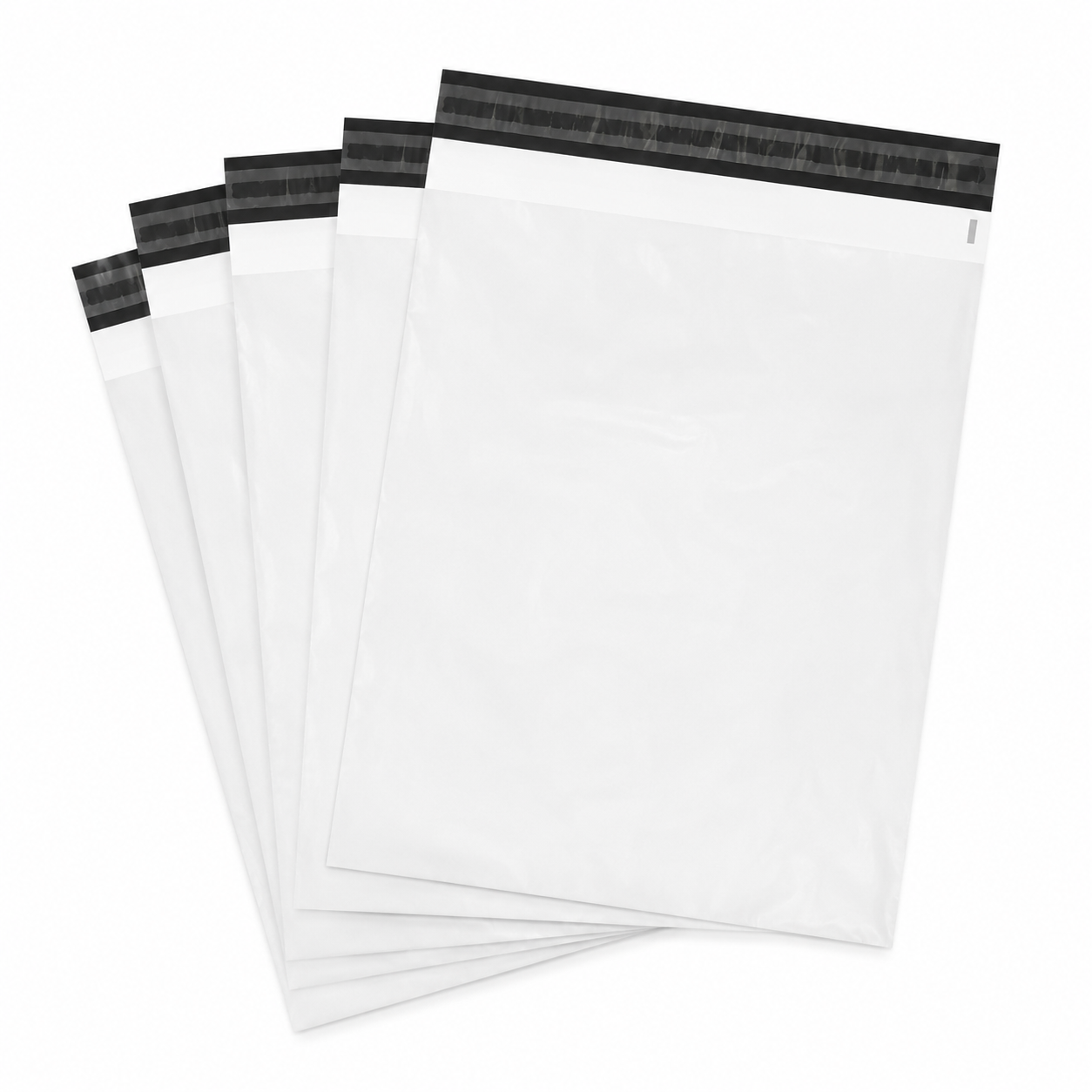
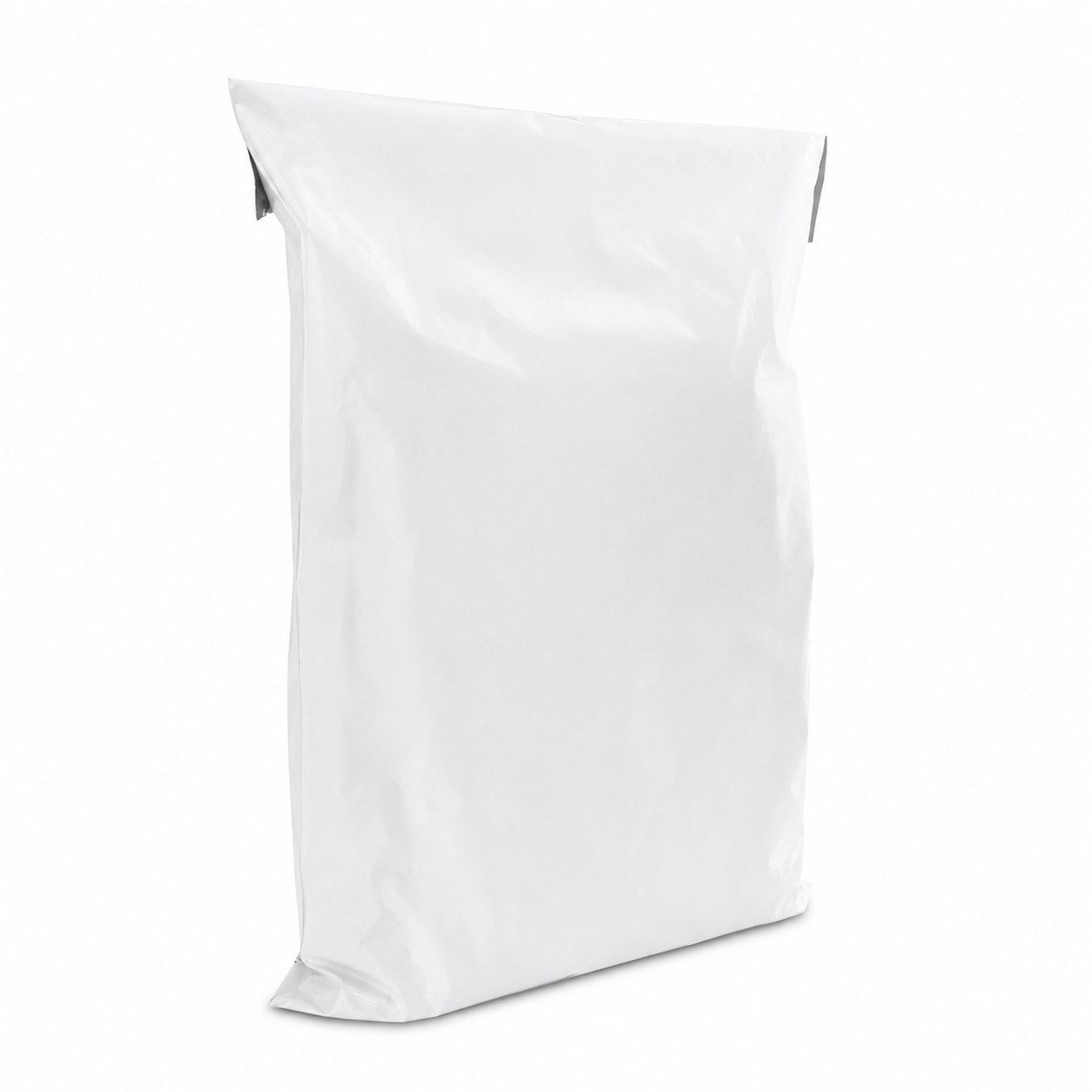
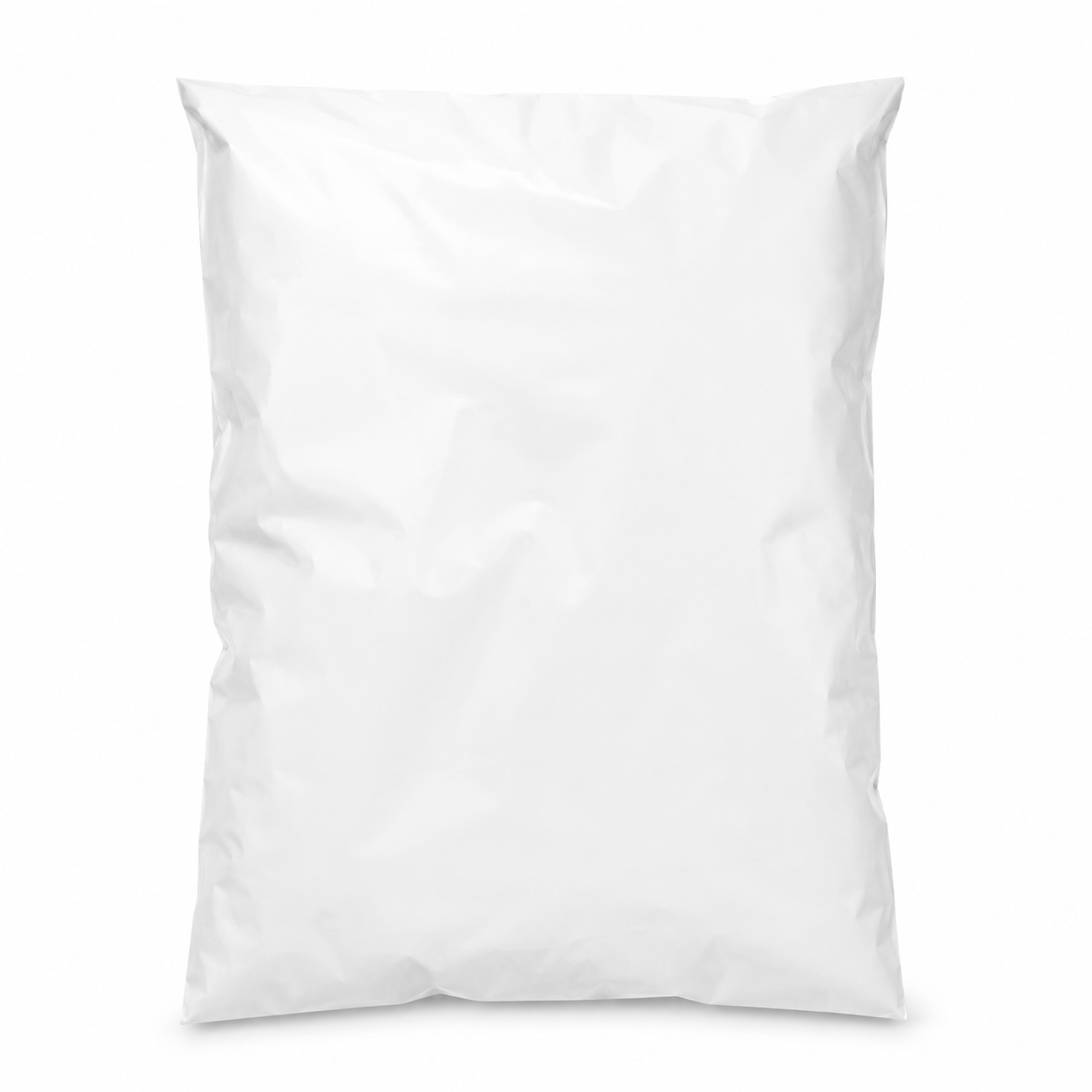
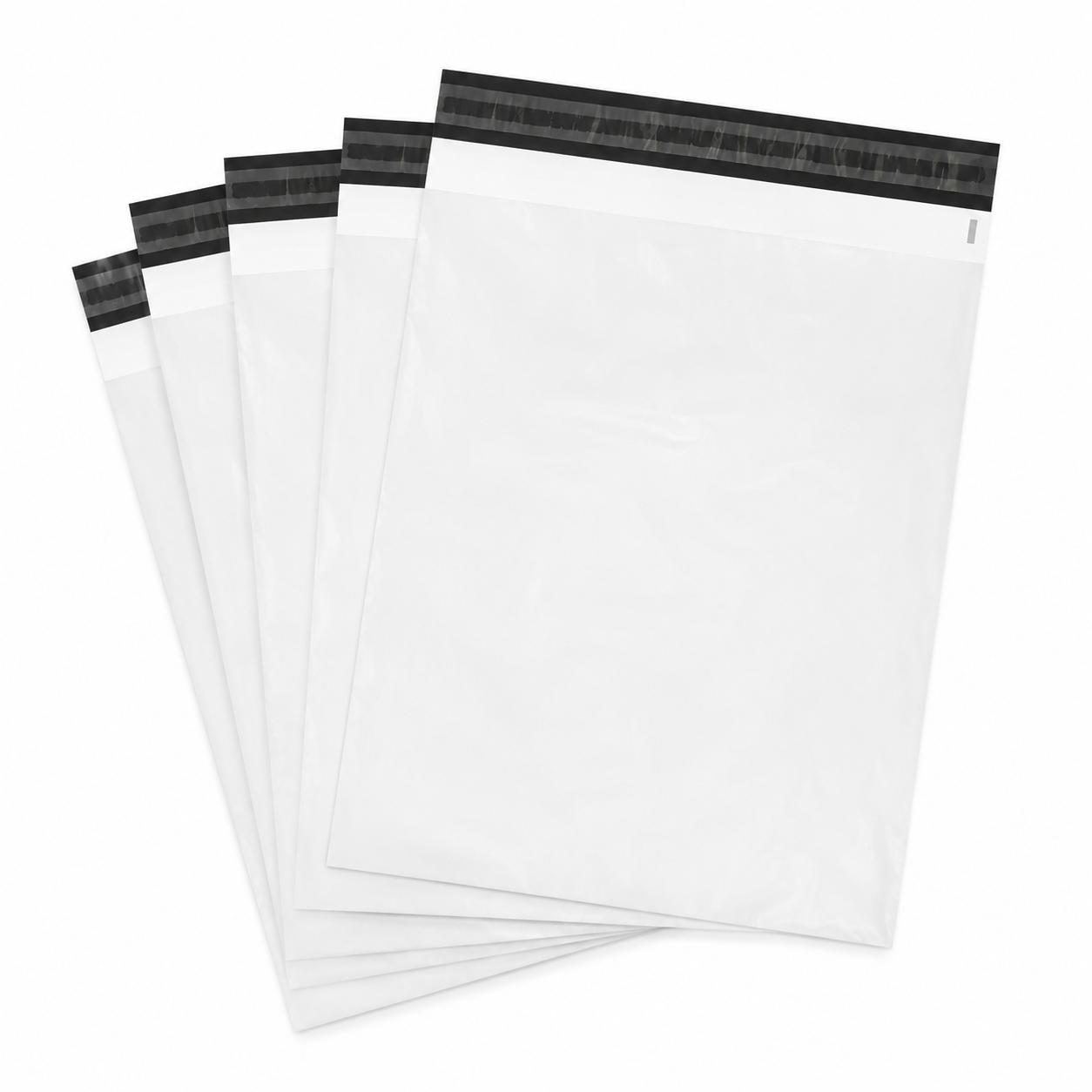
Compostable bio-polymer bag solutions for retail, e-commerce, foodservice and waste management applications. Manufactured from PBAT-based biopolymers including corn starch, PLA and CaCO₃, the range includes carrier bags, mailer bags and waste bags designed for scalable distribution, product handling and everyday commercial use across retail, logistics and packaging supply chains.
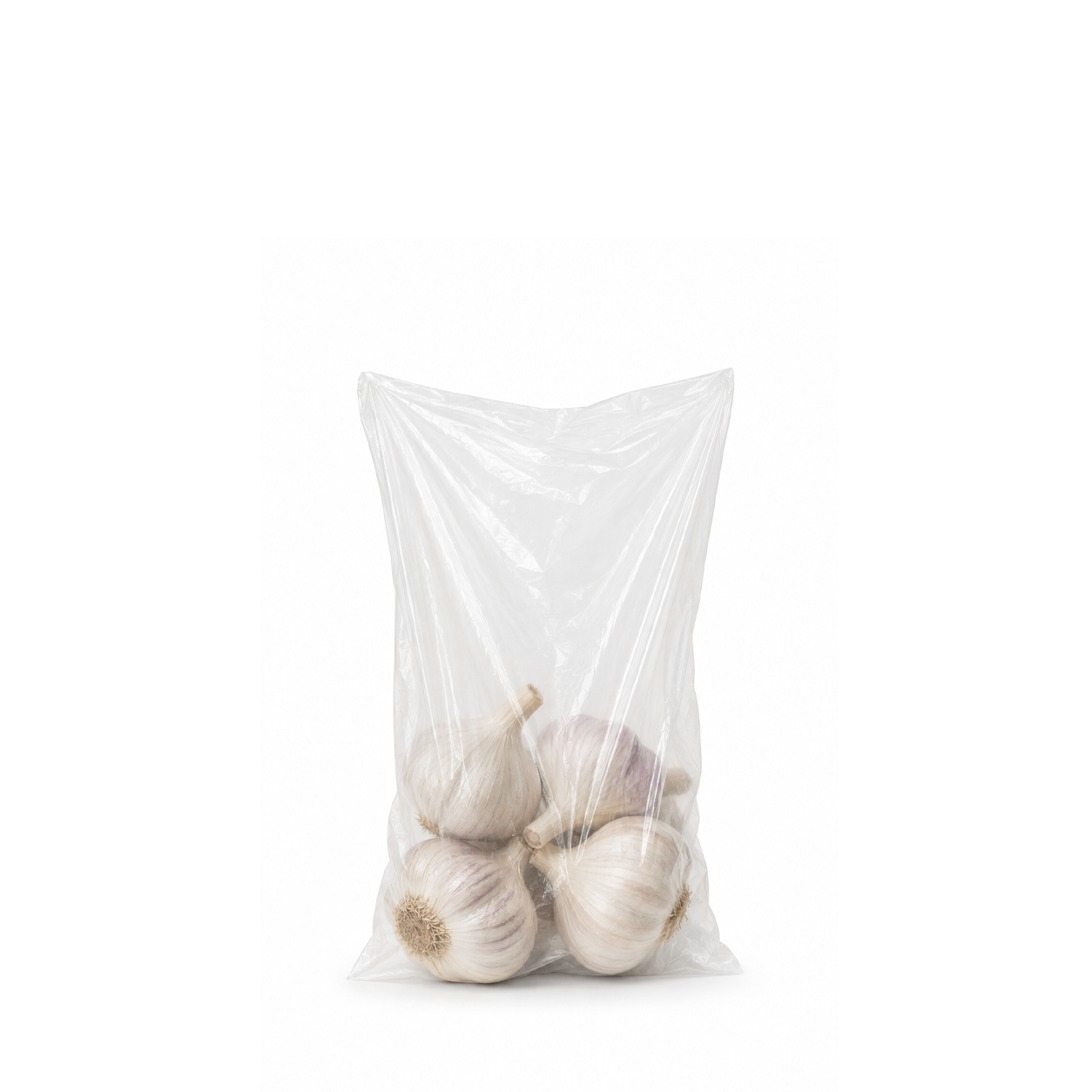
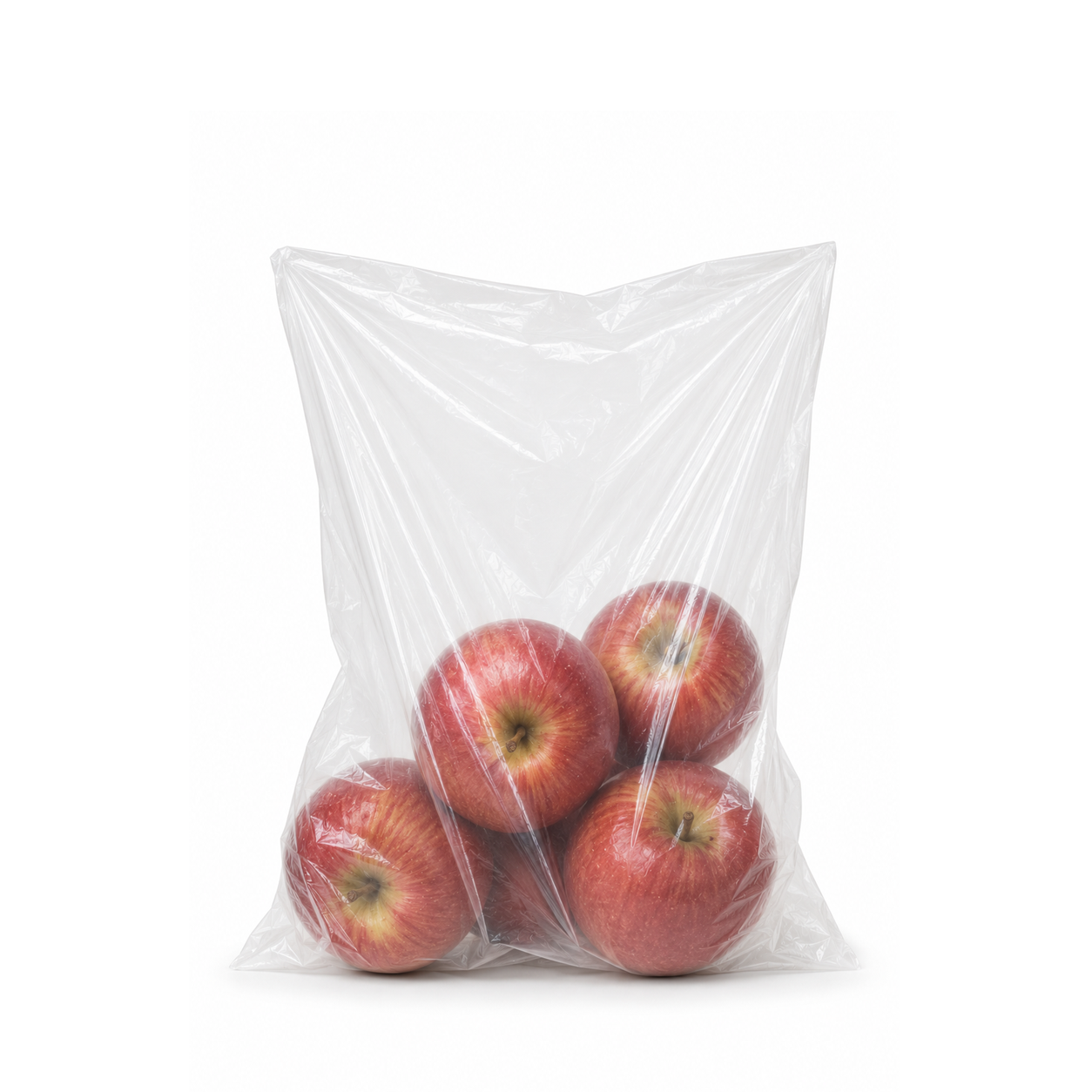
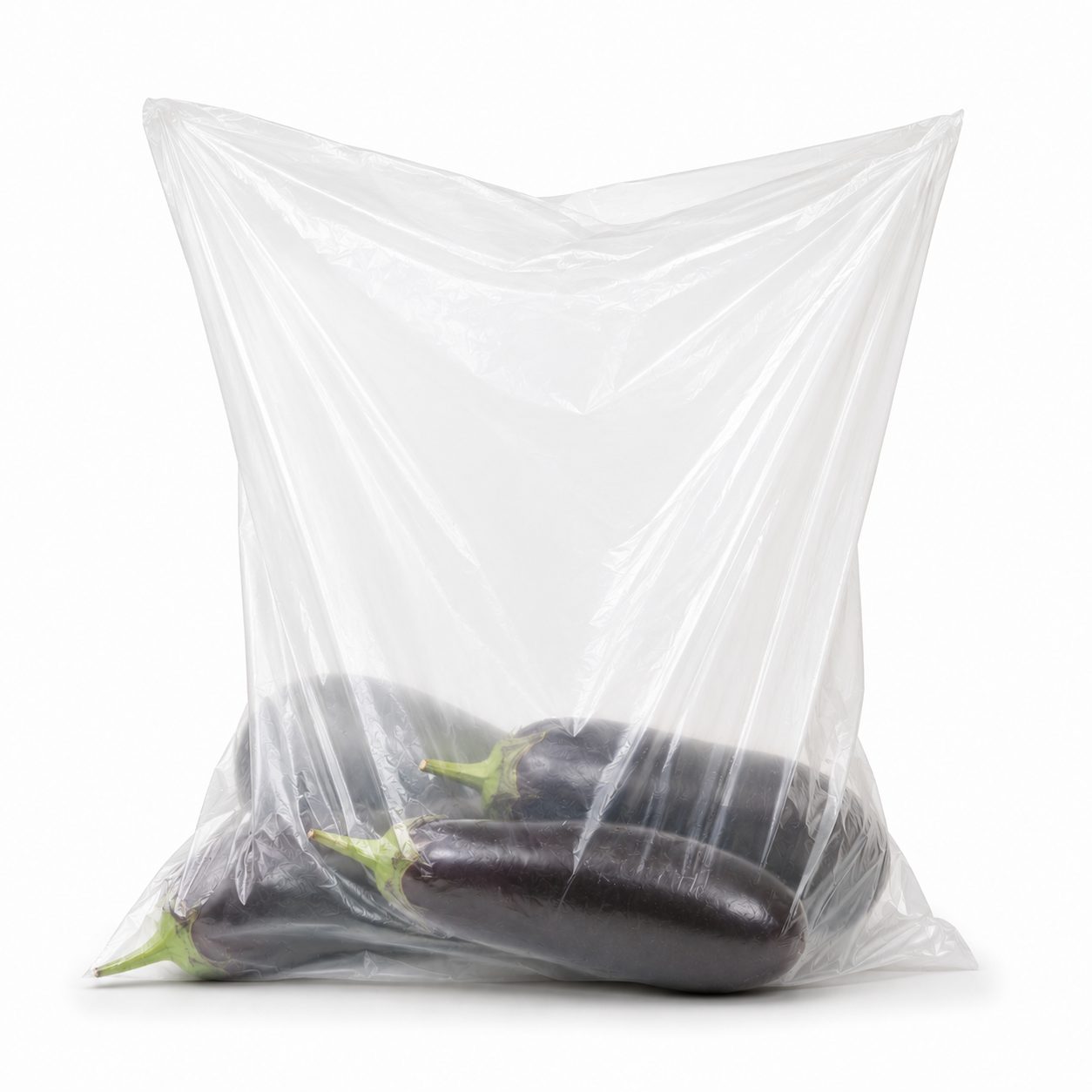

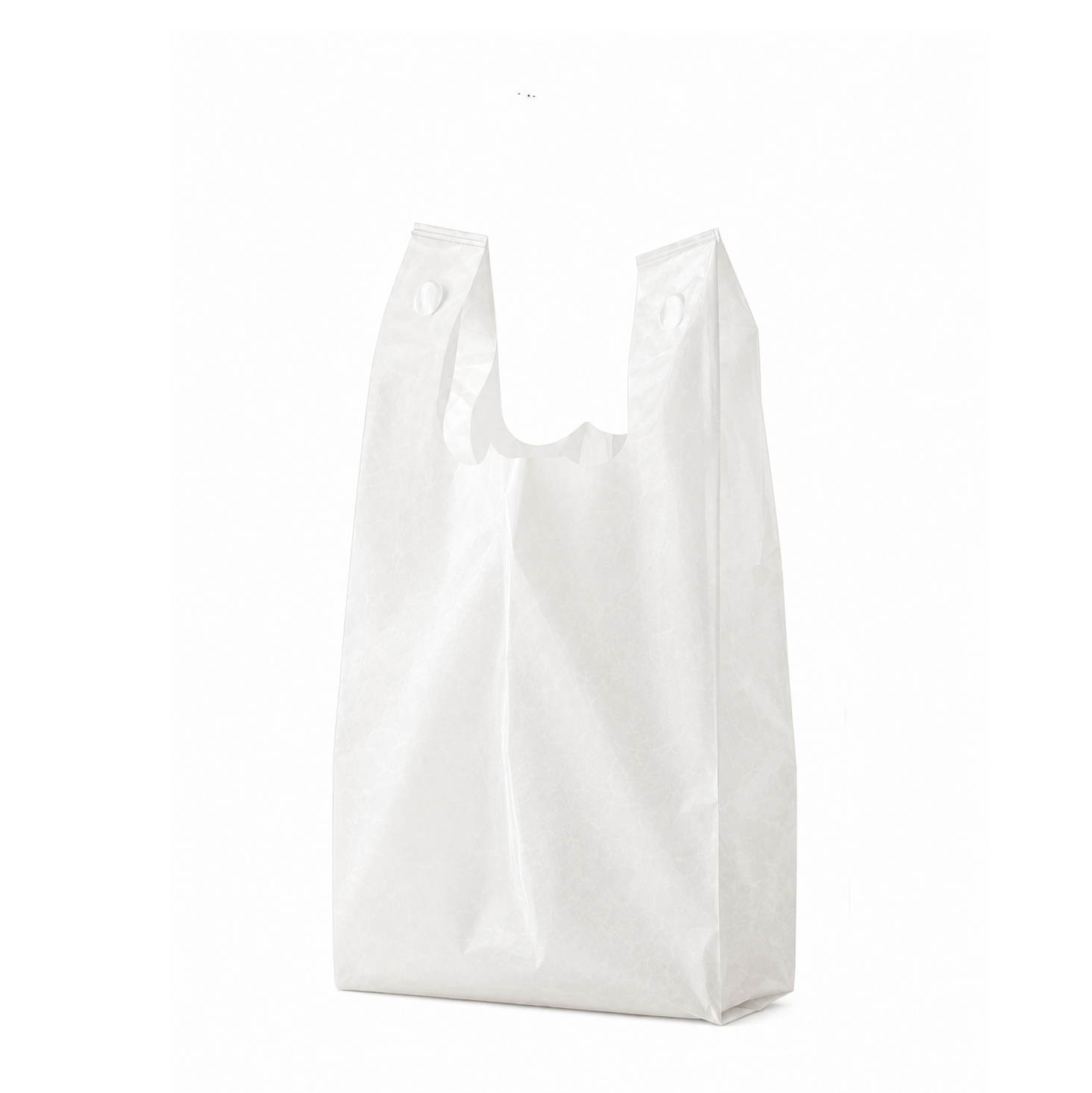







PBAT Compostable Film
Flexible compostable biopolymer film and bag solutions manufactured using PBAT-based compounds blended with plant-derived materials, including corn starch, PLA, and calcium carbonate (CaCO₃).
Engineered for high-volume retail, e-commerce, and waste management applications, these materials are designed to replicate the performance of conventional plastic while supporting certified compostable end-of-life pathways.
Optimised for scalable production and supply chain distribution, PBAT systems are widely used in carrier bags, mailer bags, and waste disposal bags where flexibility, strength, and cost-efficient performance are essential.
Material Finish Options


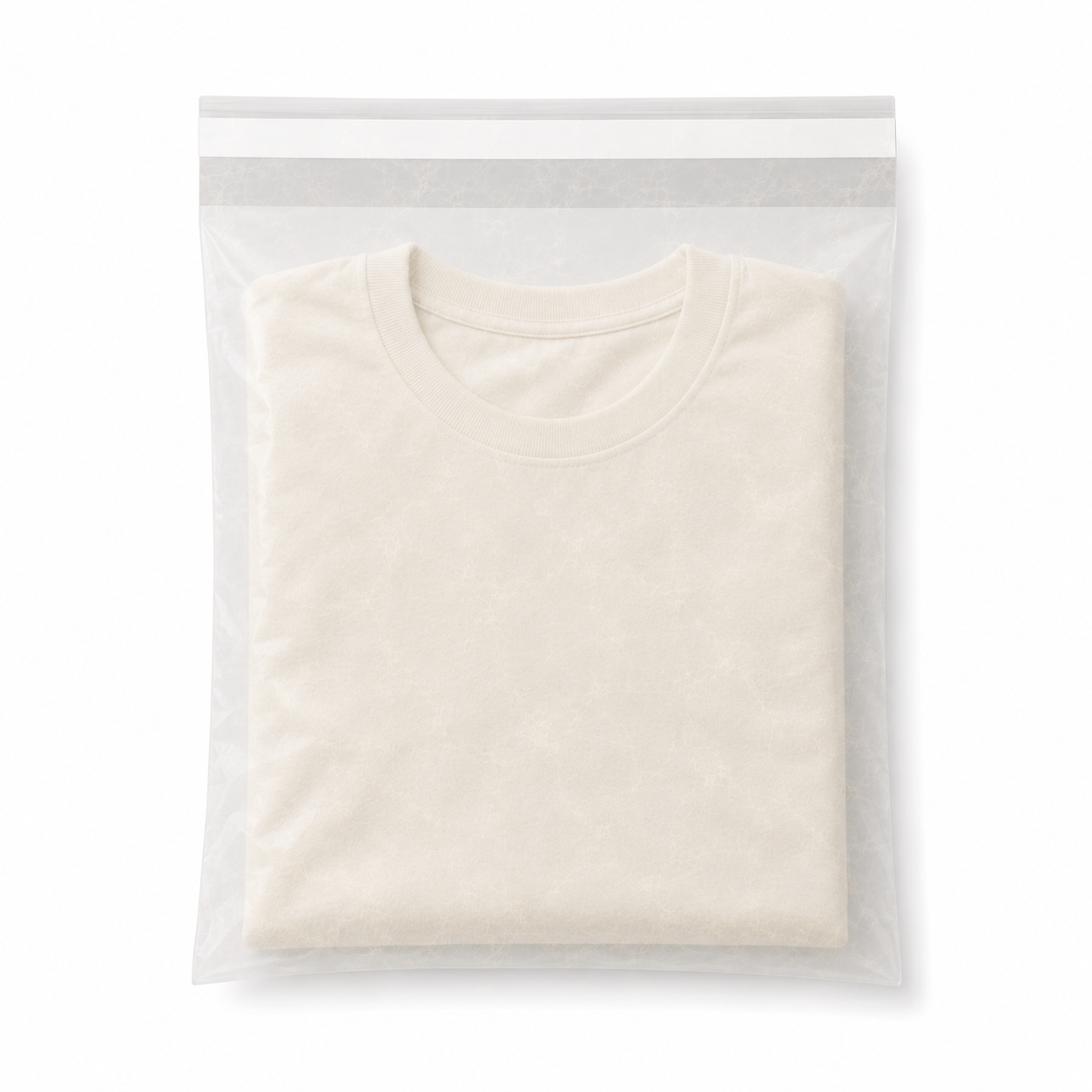
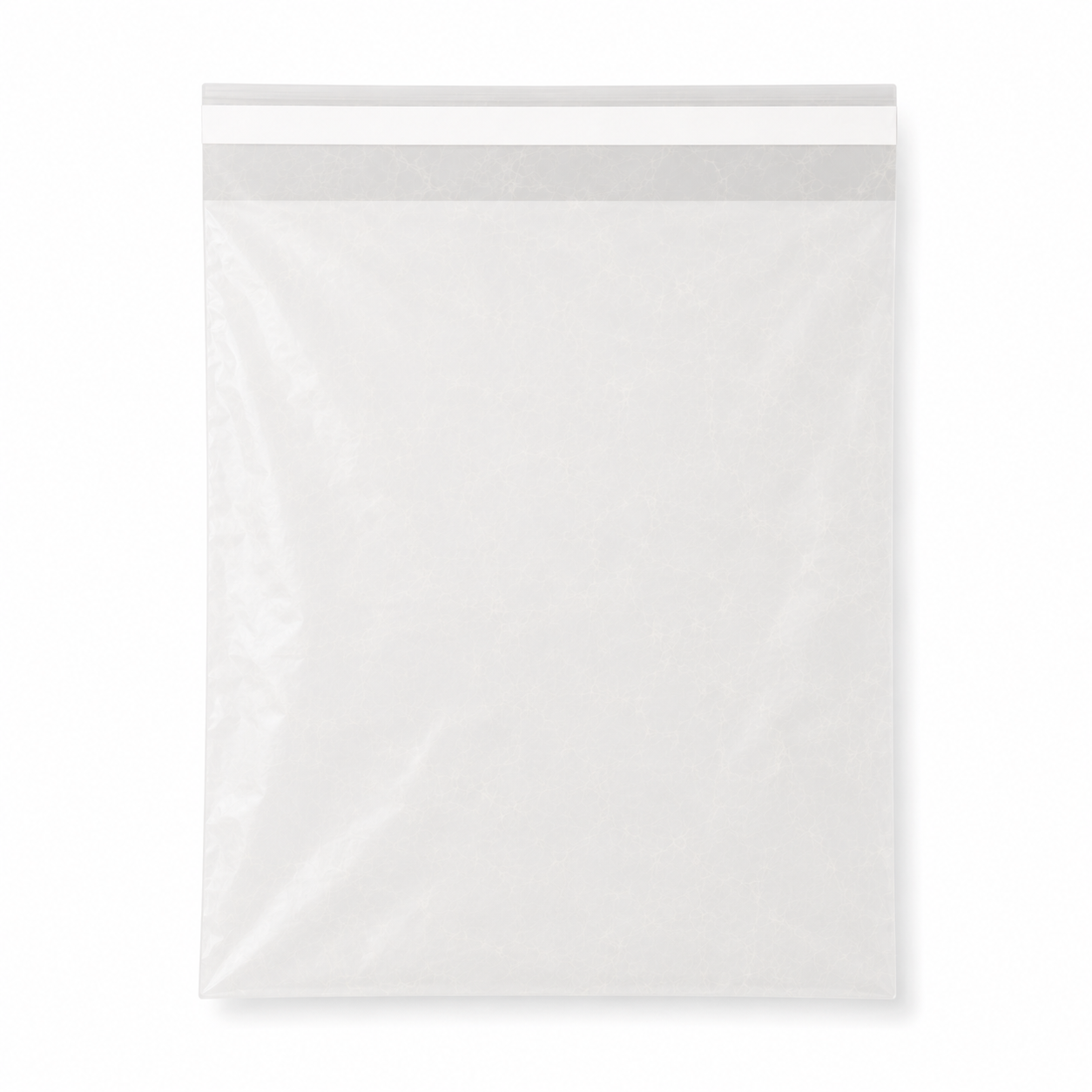
Transparent film
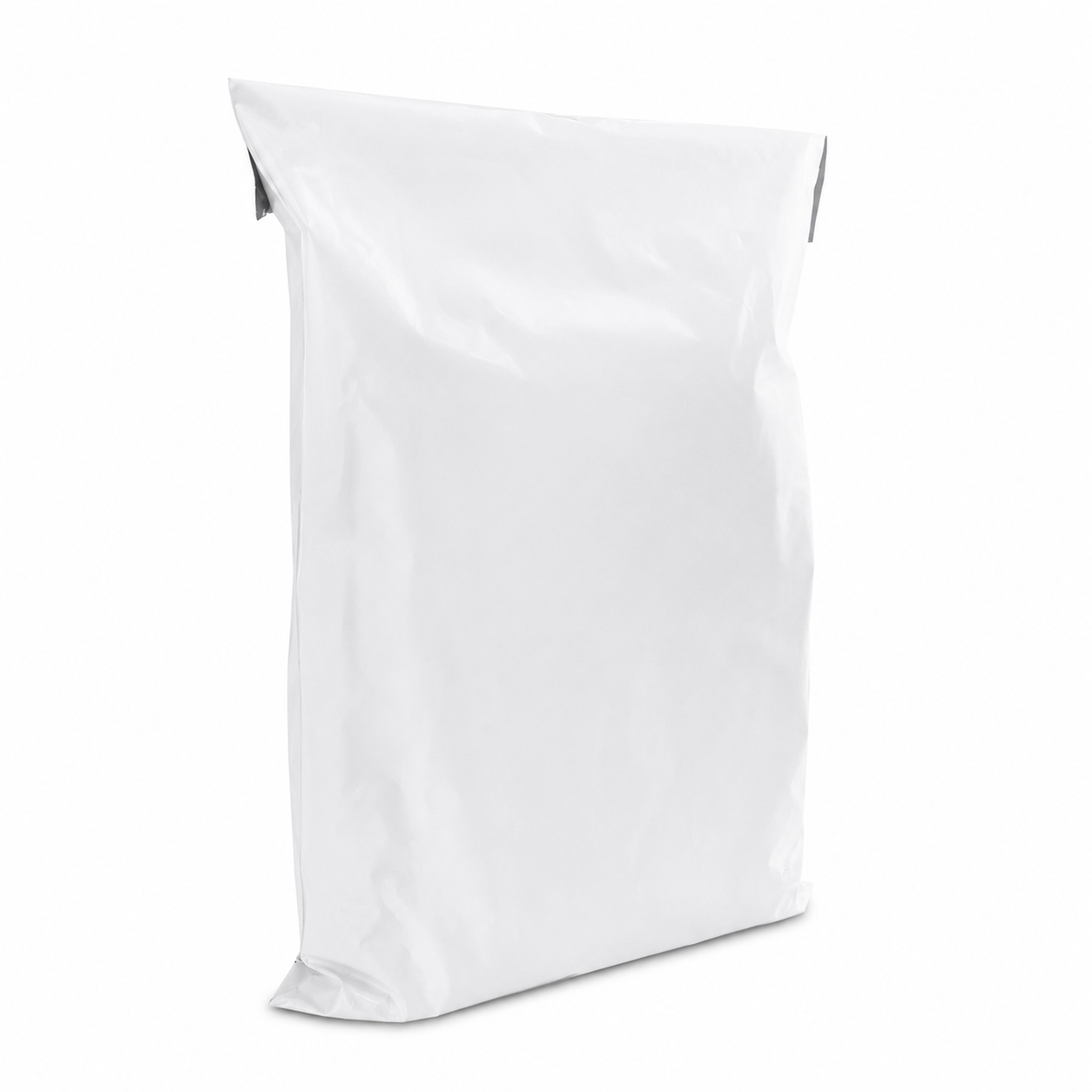
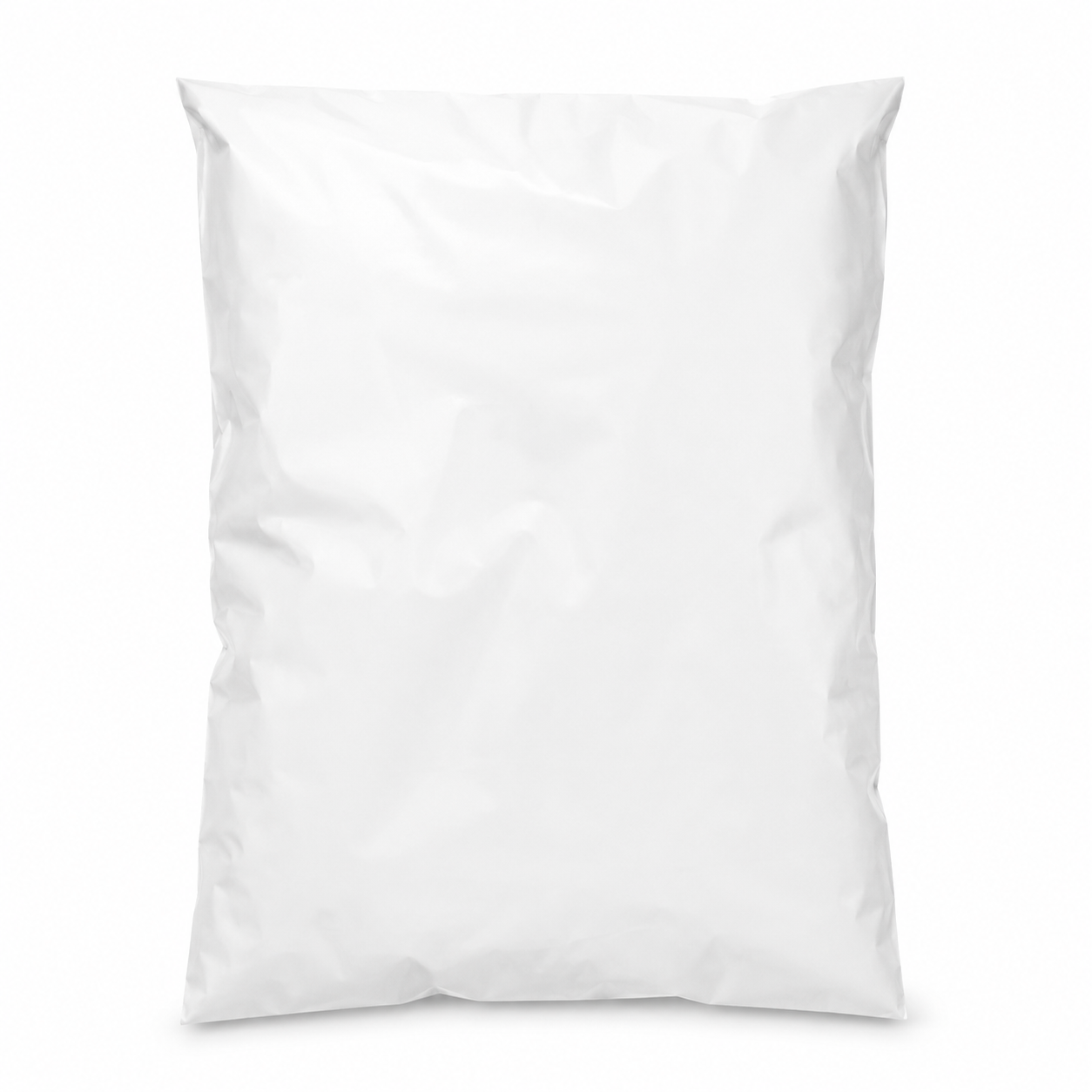
Custom Opaque film
Key Features
Compostable PBAT-based biopolymer system
Blended with renewable starch and PLA components
Calcium carbonate reinforced structure for strength and rigidity control
Flexible, high-performance film properties
Suitable for high-volume manufacturing
Designed for retail, logistics, and waste applications
Compatible with printing and converting processes
Material Benefits
Designed for certified compostable end-of-life pathways under home and/or industrial composting conditions depending on formulation
Engineered to biodegrade without leaving persistent microplastic particles
Supports the transition away from conventional fossil-based flexible plastics through increased use of renewable plant-derived materials
Helps enable circular packaging systems for flexible packaging formats that are difficult to recover through conventional mechanical recycling infrastructure
Supports the long-term development of composting and organic waste recovery infrastructure through increased market adoption of compostable materials
Can contribute to reducing landfill waste associated with food-contaminated flexible packaging and organic waste streams
Suitable for high-volume converting, bag manufacturing, and scalable retail distribution systems
Compatible with OEM, ODM, and custom converting operations across flexible packaging applications
Provides strong flexibility, sealability, and durability for everyday commercial packaging requirements
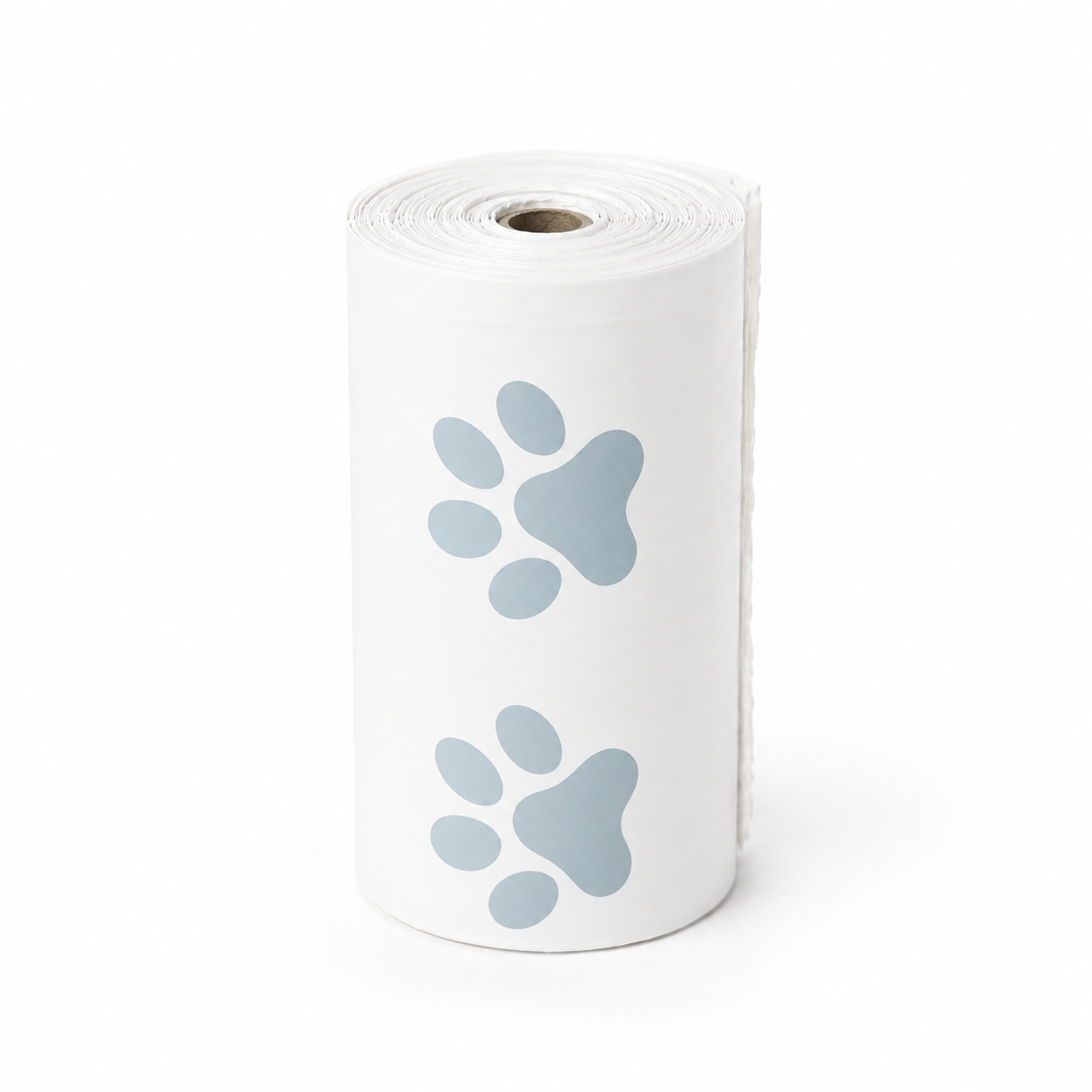
Available in rollstock and converted packaging formats for global supply chain integration
Material Considerations
PBAT-based compostable films typically contain a significant proportion of fossil-derived polymer content, even when blended with renewable starch and PLA materials
PBAT is used to improve flexibility, toughness, and biodegradation performance required to achieve compostability certification standards in flexible film applications
Film performance and structural stability can be affected by prolonged exposure to high heat, humidity, and demanding storage environments
Compostable flexible packaging systems rely on appropriate composting infrastructure and waste stream separation to achieve intended end-of-life outcomes
Industrial and home composting access remains inconsistent across many global markets and regions
If compostable packaging enters landfill environments instead of composting systems, degradation may contribute to methane generation over time
Compostable packaging standards, certifications, and disposal guidance are not yet universally harmonised across all countries and regulatory systems
Misunderstanding around compostable, biodegradable, and recyclable materials remains common within packaging and waste management systems
Material suitability should be evaluated carefully against application performance, shelf life, logistics conditions, and regional recovery infrastructure before specification
Flexible compostable packaging should form part of a broader circular packaging strategy including material reduction, responsible disposal, and waste recovery systems
Sustainability Impact
Compostable under home and industrial conditions (depending on certification and formulation)
Designed to reduce reliance on conventional polyethylene plastics
Supports lower-carbon packaging alternatives versus fossil-based films
Enables material recovery through composting systems where infrastructure exists
Carbon Reduction
Fossil Fuel Reduction
Home Compostable
Industrial Compostable
Non-Toxic Inks
Renewable Materials
Request Specifications or Technical Data
Speak to our technical team for datasheets, compliance documentation, or material recommendations for your application.